Home/Air Quality/Air Purifier for Allergies

Best Air Purifier for Allergies 2026 – Top HEPA Picks

Struggling with allergies? These HEPA air purifiers remove pollen, dust mites, pet dander, and smoke effectively. We tested each model for filtration efficiency, CADR ratings, noise levels, and real-world allergy relief.

Updated February 10, 2026
6 min read

Why Allergies Require a True HEPA Filter

A true HEPA H13 filter removes 99.97% of particles down to 0.3 microns, capturing the most common allergy triggers. Avoid ionizers or ozone-based units, which can irritate sensitive airways.

Pollen
Pet dander
Dust mites
Mold spores

Quick Ranking (TL;DR)

RankModelBest For
1Coway Airmega 400allergy sufferers needing whole-room coverage
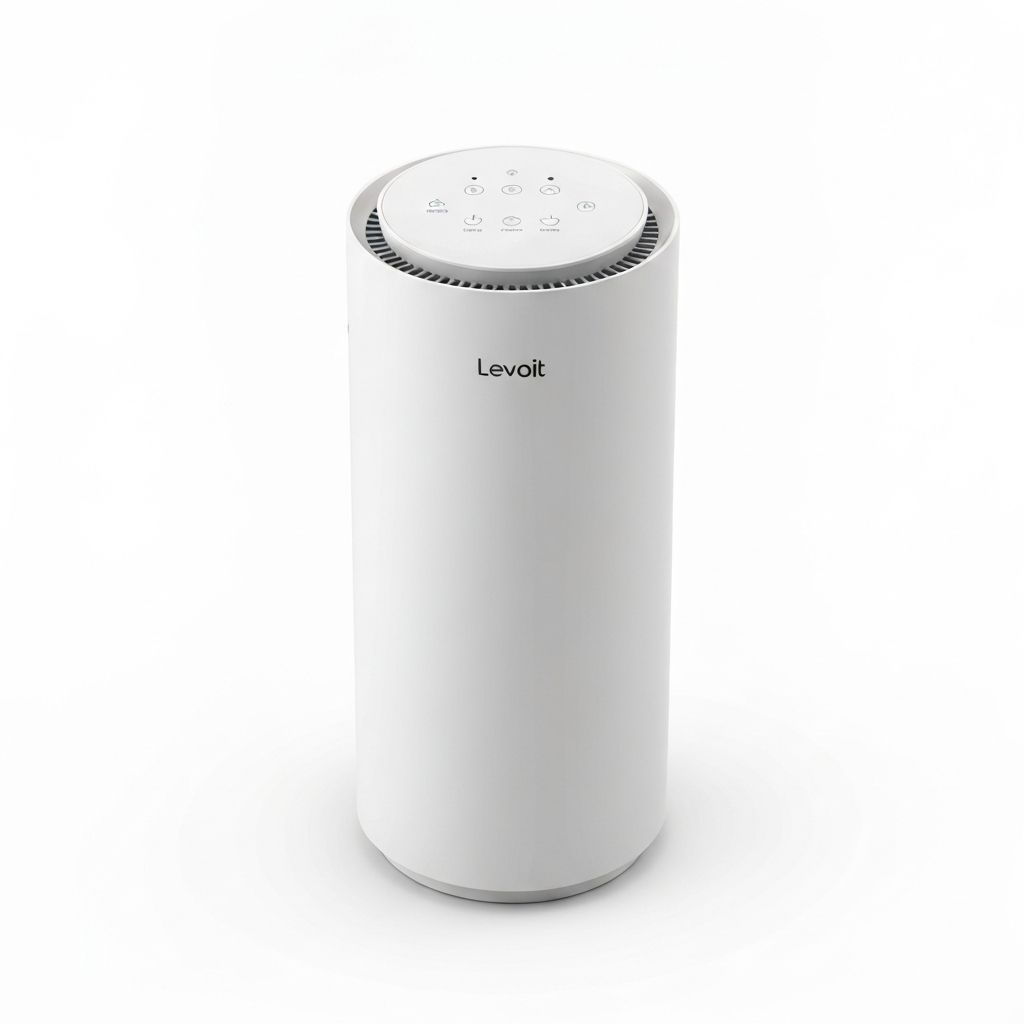
2Levoit Core 600Ssmart-home users who want app-controlled allergy management
3Dyson Purifier Big+Quiet Formaldehydepremium buyers who want sealed HEPA and formaldehyde destruction
4Blueair Blue Pure 211+large open-plan rooms and pet owners with allergies
5Honeywell HPA300budget-conscious allergy sufferers who want proven HEPA performance

Top Picks for Allergy Relief

Showing 5 products

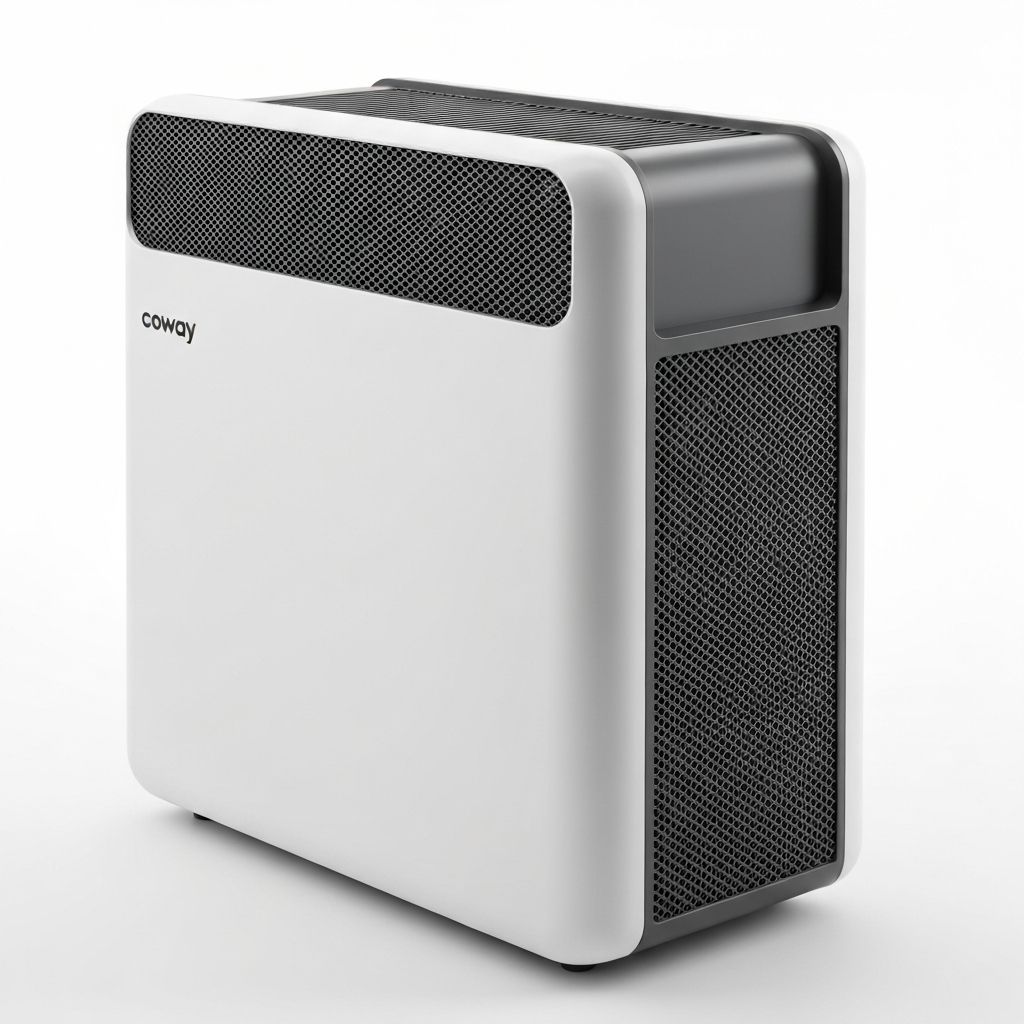
1
Best Overall
Airmega 400

Coway

Airmega 400

Allergy ReliefLarge CoverageQuiet
$499
Score9.3/10
Performance
9.6
Noise Level
8.8
Coverage
9.5
Value
8.2
Best for:allergy sufferers needing whole-room coverage
Avoid if:you're on a tight budget
Coverage: 74 m²
Filter: True HEPA + Carbon
Check Price
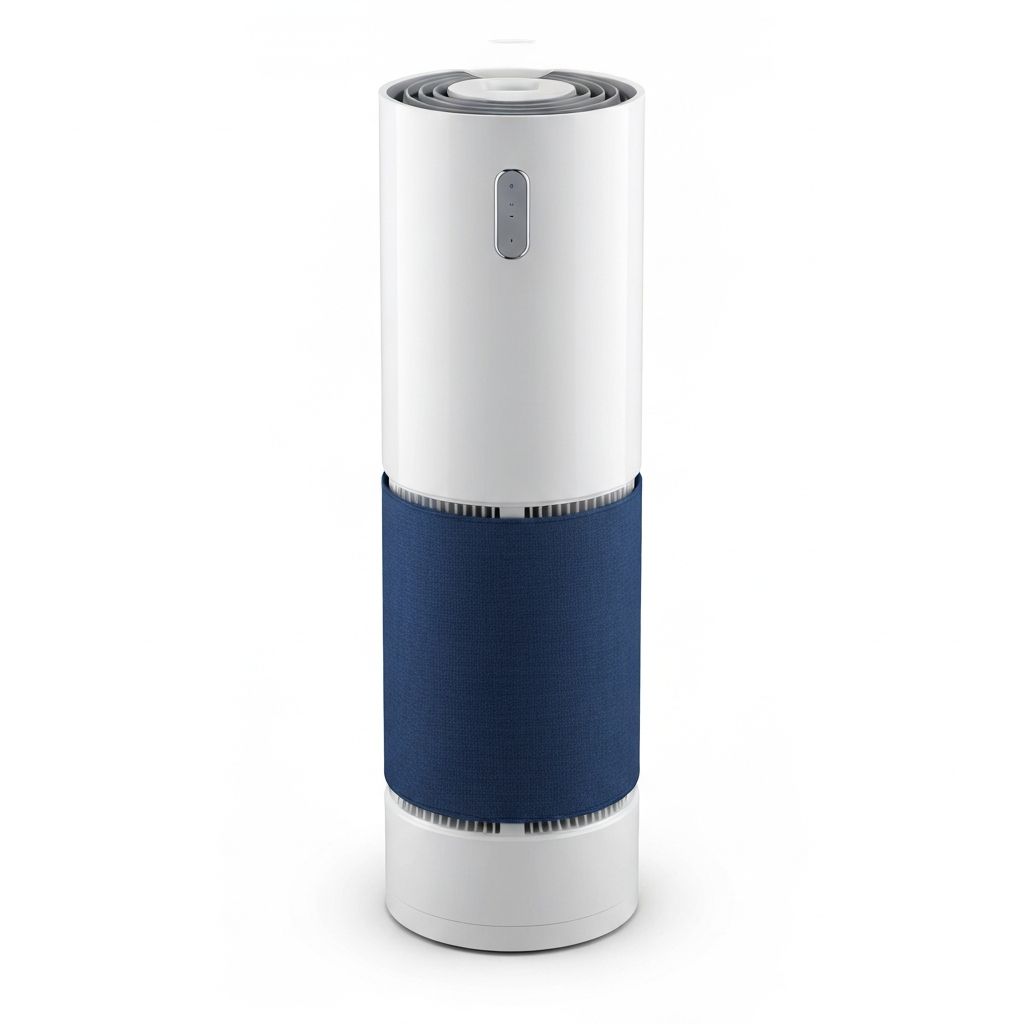
2
Best Smart
Core 600S

Levoit

Core 600S

App ControlStrong CADRAuto Mode
$299
Score9.0/10
Performance
9.2
Noise Level
8.5
Coverage
8.8
Value
9.0
Best for:smart-home users who want app-controlled allergy management
Avoid if:you prefer a fully manual, no-app experience
Coverage: 60 m²
Filter: True HEPA H13 + Carbon
Check Price
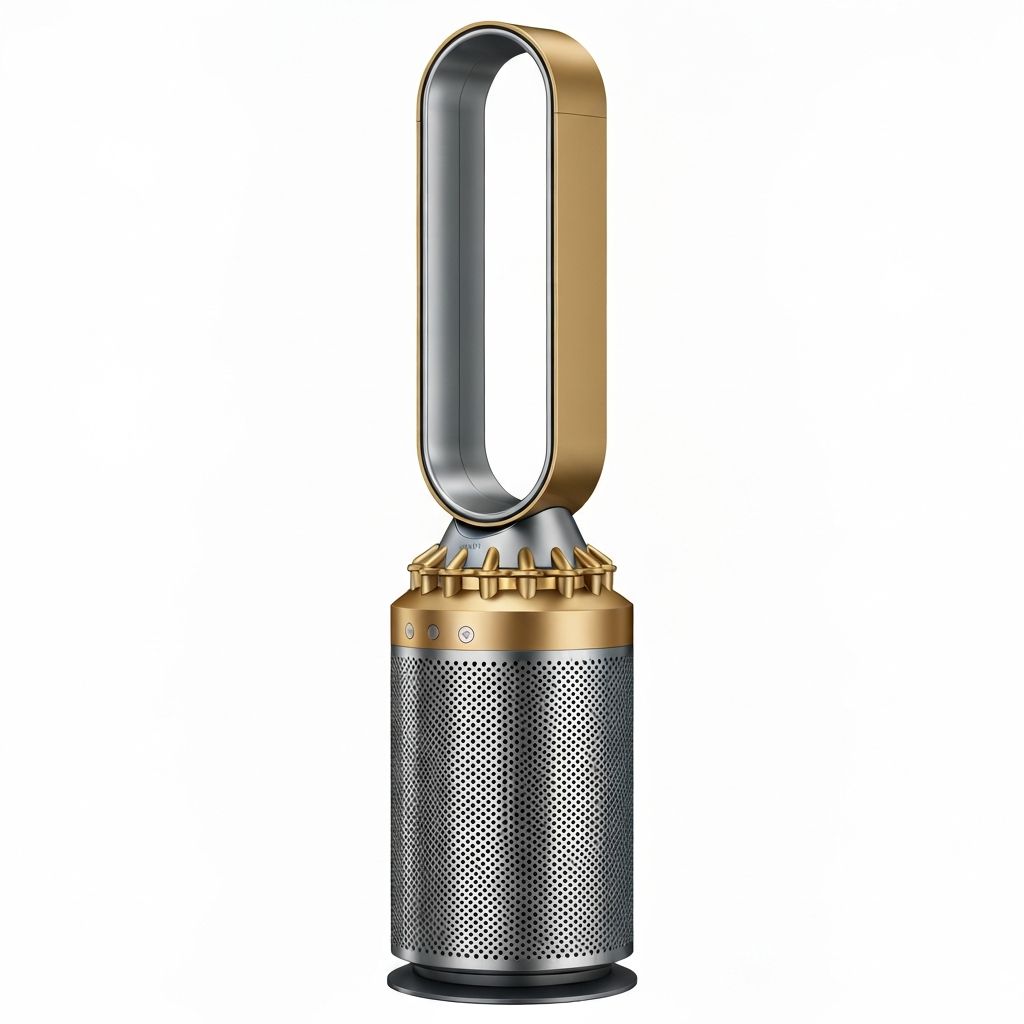
3
Premium Pick
Purifier Big+Quiet Formaldehyde

Dyson

Purifier Big+Quiet Formaldehyde

Sealed HEPAFormaldehyde DestructionPremium
$999
Score8.9/10
Performance
9.8
Noise Level
9.2
Coverage
9.5
Value
6.0
Best for:premium buyers who want sealed HEPA and formaldehyde destruction
Avoid if:budget is a primary concern
Coverage: 100 m²
Filter: Sealed HEPA H13 + Carbon + Catalytic Oxidation
Check Price
4
Best Large Room
Blue Pure 211+

Blueair

Blue Pure 211+

High AirflowWashable Pre-filterPet Friendly
$249
Score8.4/10
Performance
9.0
Noise Level
7.5
Coverage
9.2
Value
8.5
Best for:large open-plan rooms and pet owners with allergies
Avoid if:you need smart features or ultra-quiet operation
Coverage: 54 m²
Filter: HEPASilent + Carbon
Check Price
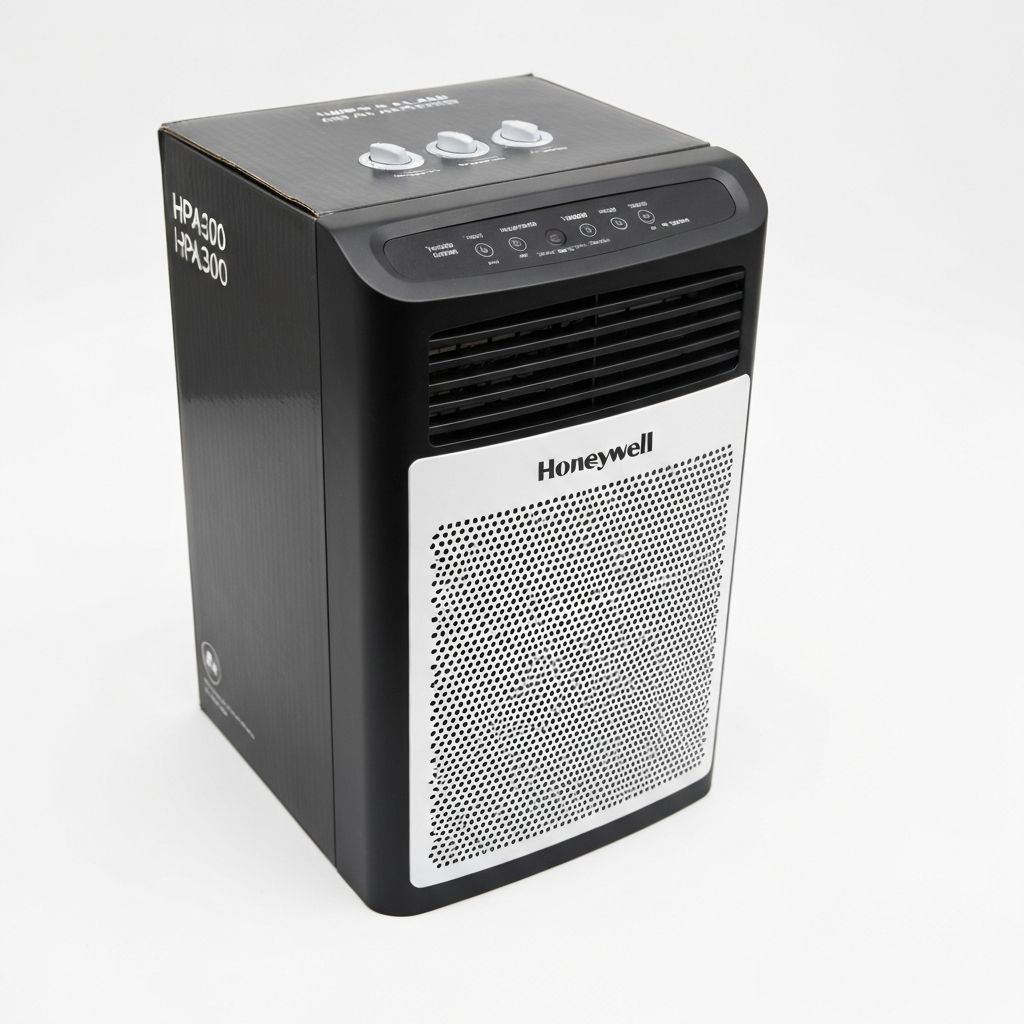
5
Budget Pick
HPA300

Honeywell

HPA300

Budget FriendlyProven PerformanceReliable
$189
Score7.9/10
Performance
8.5
Noise Level
7.0
Coverage
8.0
Value
9.2
Best for:budget-conscious allergy sufferers who want proven HEPA performance
Avoid if:noise sensitivity is a concern or you want smart features
Coverage: 46 m²
Filter: True HEPA + Carbon Pre-filter
Check Price

Final Recommendation

Best overall for allergies

Coway Airmega 400

Best smart option

Levoit Core 600S

Best premium pick

Dyson Big+Quiet Formaldehyde

Best for large rooms

Blueair Blue Pure 211+

The right allergy air purifier depends on your room size, sensitivity level, and budget. For most allergy sufferers, the Coway Airmega 400 offers the best balance of filtration power, coverage, and quiet operation.

How to Choose for Allergies

True HEPA (H13 Ideally)

A True HEPA H13 filter captures 99.97% of airborne particles at 0.3 microns. This is the gold standard for allergy relief, trapping pollen, dust mite debris, pet dander, and mold spores. Lower-grade HEPA or HEPA-type filters are significantly less effective.

High CADR Score

CADR (Clean Air Delivery Rate) measures how quickly a purifier filters air. For allergy relief, look for a high pollen and dust CADR. Your purifier's CADR should cover at least 2/3 of your room's square footage for effective cleaning.

Sealed Filtration System

A sealed system ensures air cannot bypass the filter. Without a proper seal, allergens can leak back into the room through gaps in the housing, reducing the purifier's effectiveness significantly.

Replaceable Filters Availability

Before buying, check filter replacement cost and availability. Allergy sufferers often need to replace filters more frequently (every 6–9 months). Widely available, affordable replacements keep ongoing costs manageable.

Air Purifier for Bedroom Allergies

The bedroom is where allergy sufferers spend the most consecutive hours. Choosing a purifier optimized for bedroom use means prioritizing noise, night mode, and room-size matching.

Noise Under 40 dB

A quiet purifier is essential for uninterrupted sleep. Look for units rated under 40 dB on their lowest or sleep setting.

Night Mode

Night mode dims display lights and reduces fan speed to whisper-quiet levels while still filtering allergens as you sleep.

Room Size Match

Match coverage to your bedroom size. An oversized unit runs on lower (quieter) speed while still cleaning air effectively.

Do Air Purifiers Really Help Allergies?

Yes — air purifiers with True HEPA filters are clinically shown to reduce airborne allergens. However, they work best as part of a broader allergy management approach:

Regular Vacuuming

Use a HEPA vacuum to remove settled allergens from floors and carpets. This complements the airborne filtration from your purifier.

Best Vacuum Mops

Humidity Control

Keep indoor humidity between 40–50% to discourage dust mites and mold. A dehumidifier is essential in damp climates.

Best Dehumidifiers

Wash Bedding Weekly

Wash sheets and pillowcases in hot water (60°C / 140°F) weekly to kill dust mites and remove accumulated allergens.

Frequently Asked Questions

What type of air purifier is best for allergies?

A True HEPA (H13) air purifier is the gold standard for allergy relief. It captures 99.97% of airborne particles at 0.3 microns, including pollen, pet dander, dust mite debris, and mold spores. Avoid ionizers and ozone-generating units.

How quickly do air purifiers help with allergies?

Most users notice a difference within 24–48 hours of continuous use in a properly sized room. For best results, run the purifier 24/7 on auto mode and keep windows and doors closed during high pollen days.

Should I run my air purifier all day for allergies?

Yes. Running your purifier continuously ensures allergens are captured as they become airborne. Modern HEPA purifiers are energy-efficient, typically costing $3–10 per month to run 24/7. Use auto mode to balance performance and energy use.

Can air purifiers help with pet allergies?

Absolutely. HEPA filters are very effective at capturing pet dander, which is the primary trigger for pet allergies. Models with washable pre-filters (like the Blueair 211+) are especially good for homes with pets as the pre-filter traps hair and large particles before they reach the HEPA filter.

Do I need a separate purifier for each room?

Ideally, yes. Air purifiers work best in enclosed spaces. Prioritize the bedroom (where you spend 7–9 hours) and the room where you spend the most daytime hours. Some people move a single unit between rooms throughout the day.

Related Air Quality Guides

Affiliate Disclosure

PureChoice Reviews is reader-supported. When you buy through links on our site, we may earn an affiliate commission at no additional cost to you. This helps us maintain our testing lab and continue providing free, unbiased reviews. Our recommendations are never influenced by affiliate partnerships.