Philips
Indoor air quality remains a major concern in 2026 due to urban pollution, allergies, wildfire smoke, and energy-efficient homes with limited ventilation. Below are the best air purifiers you can buy in 2026, ranked based on performance data, filtration quality, long-term cost, availability, and consistent user feedback.
| Rank | Model | Best For |
|---|---|---|
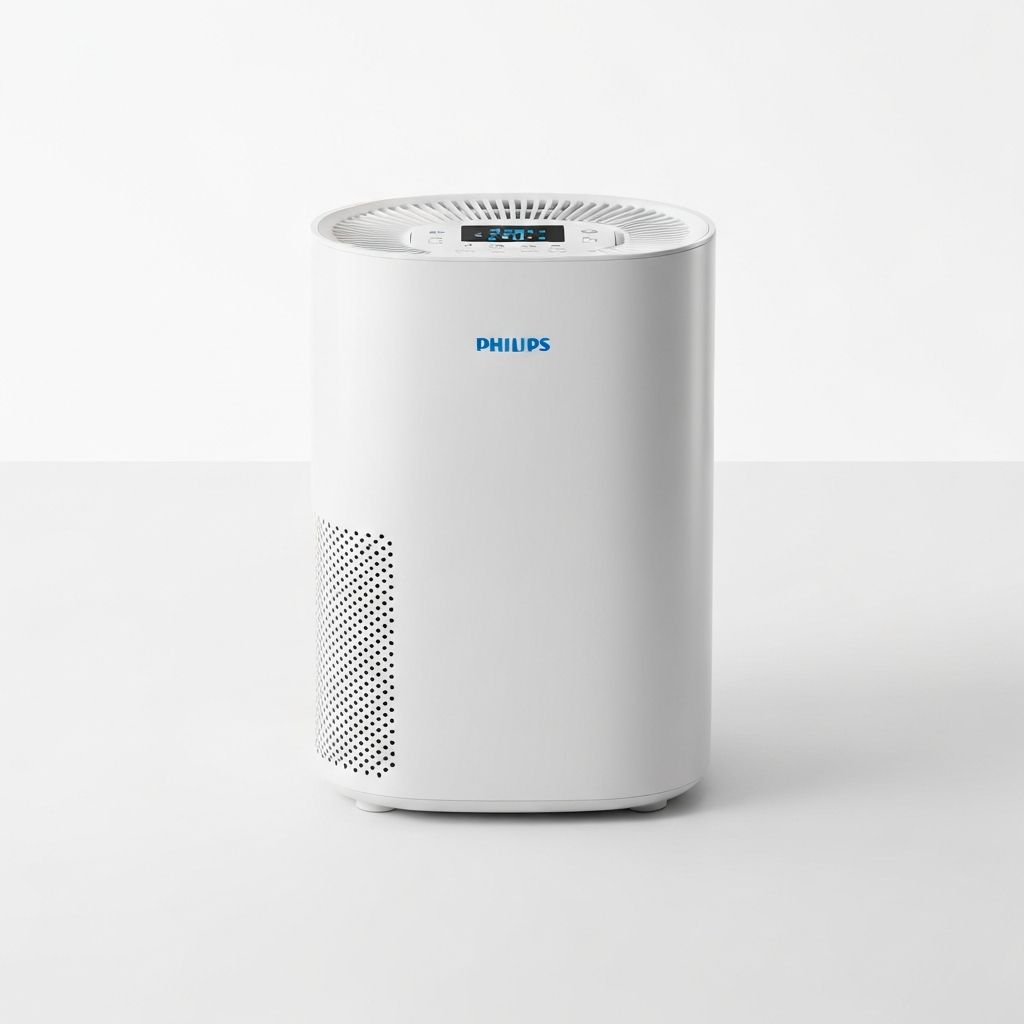
| 1 | Philips Series 3000i (AC3039/10) | medium to large apartments, allergy sufferers |
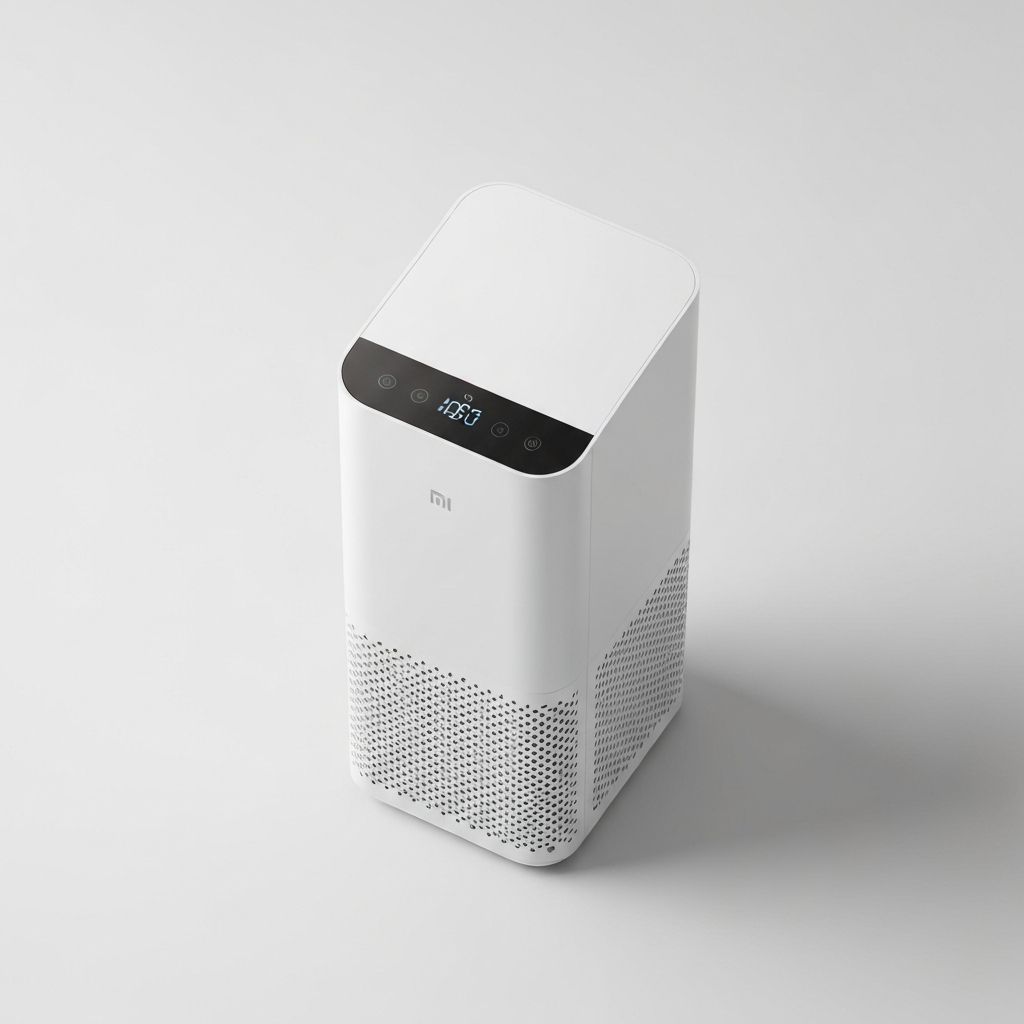
| 2 | Xiaomi Air Purifier 4 Pro | value-focused buyers, smart-home users |
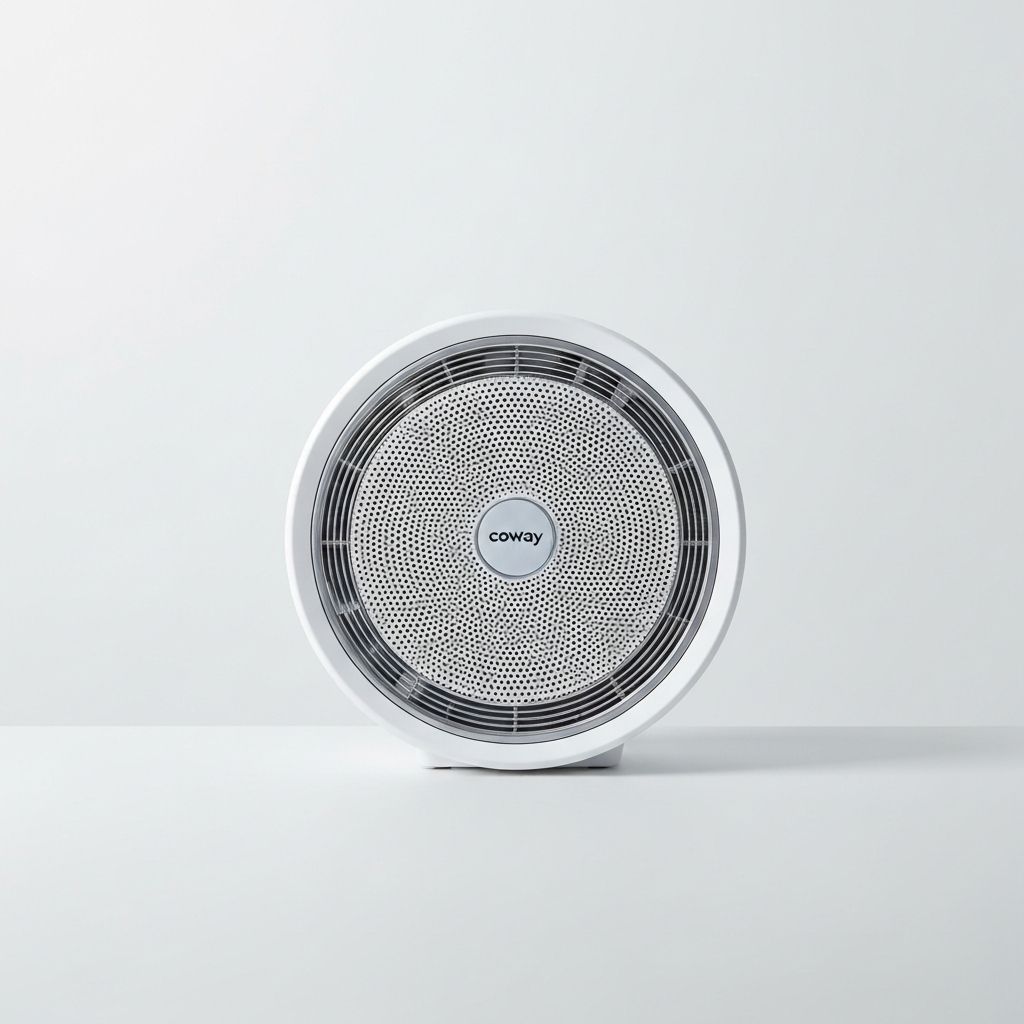
| 3 | Coway AP-1512HH Mighty | buyers who value reliability over flashy features |
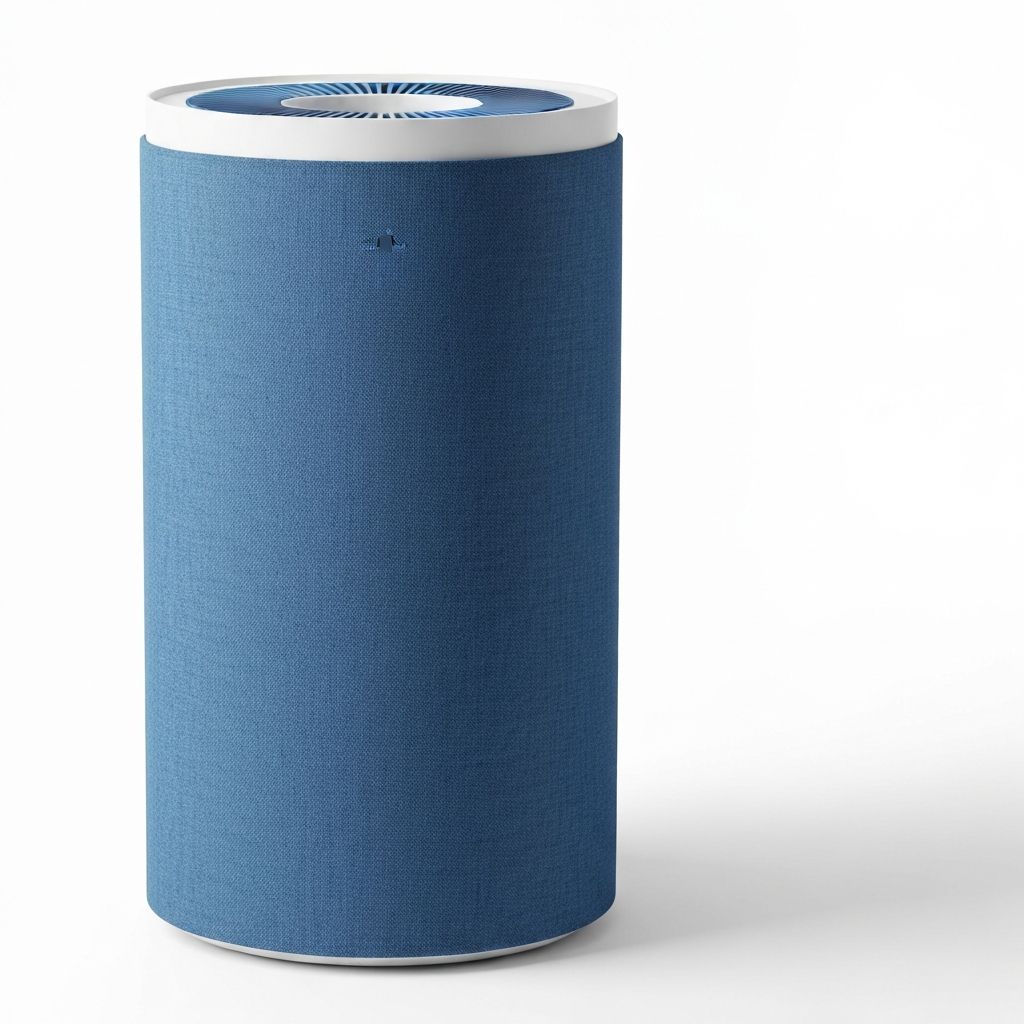
| 4 | Blueair Blue Pure 211i Max | open-plan living rooms and large spaces |
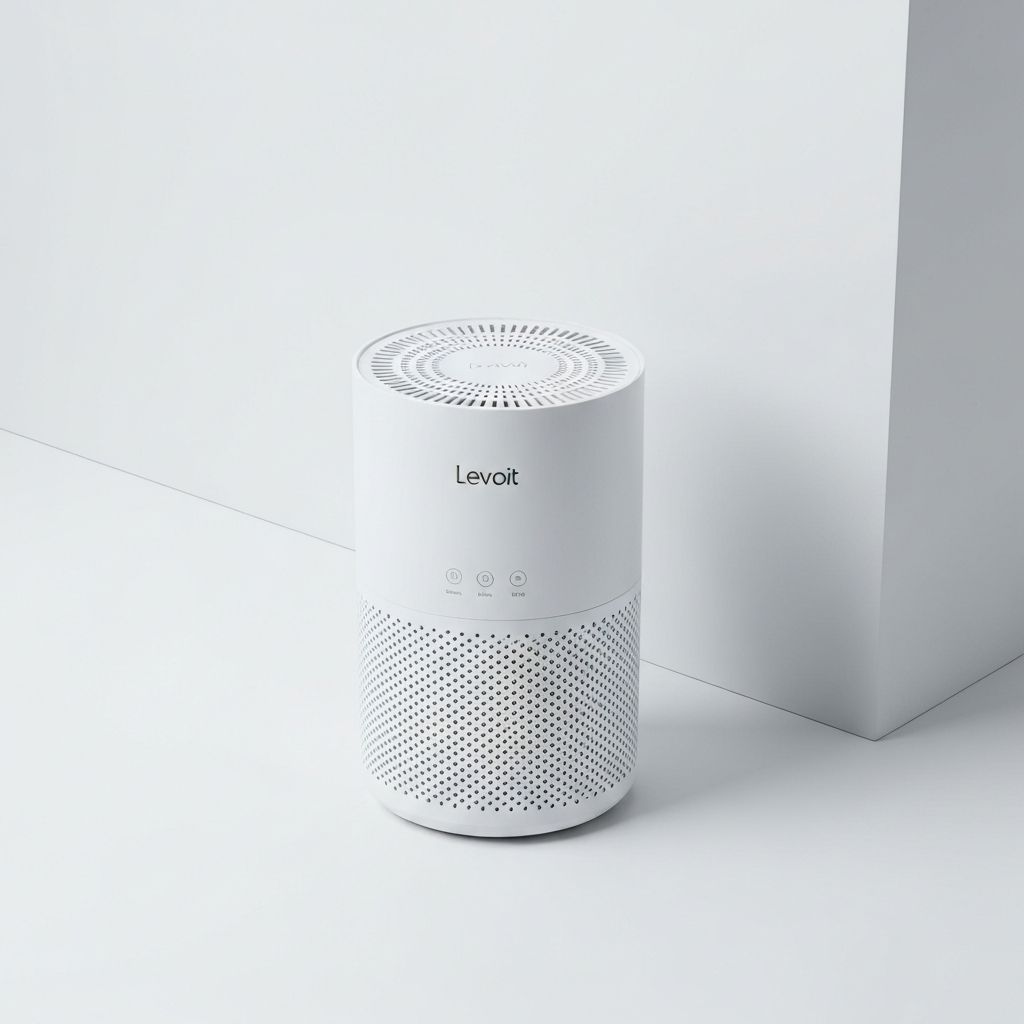
| 5 | Levoit Core 400S | apartments, bedrooms, and medium rooms |
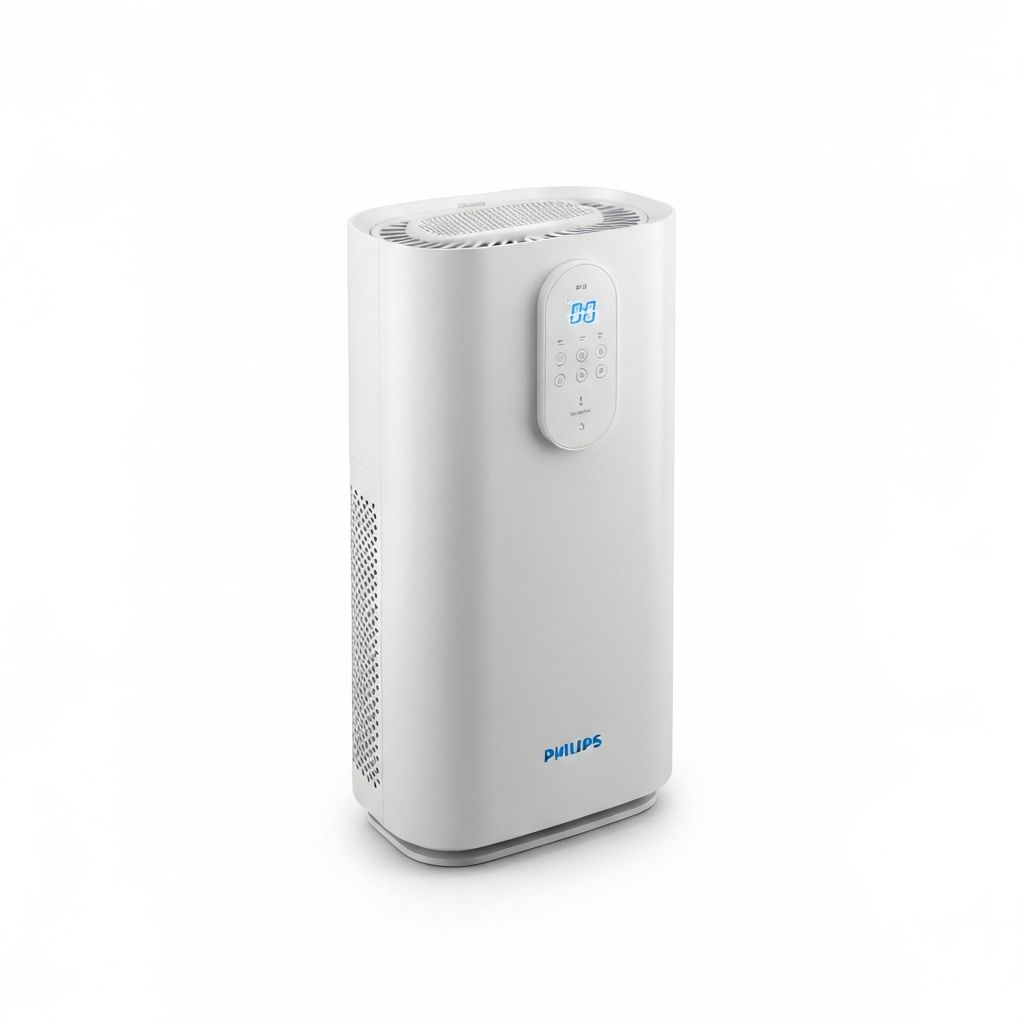
| 6 | Philips Series 2000i (AC2939/10) | nurseries and light sleepers |
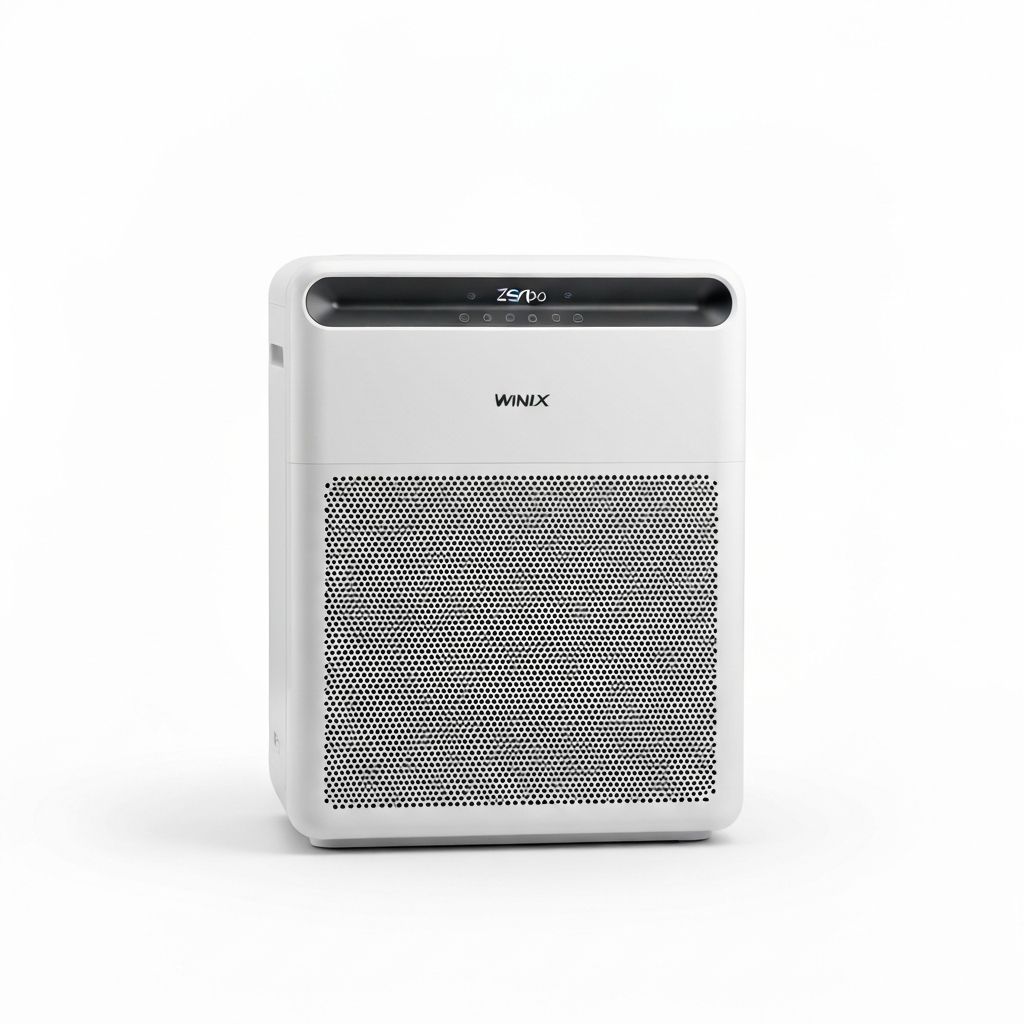
| 7 | Winix Zero Pro | kitchens, smokers, pet owners |
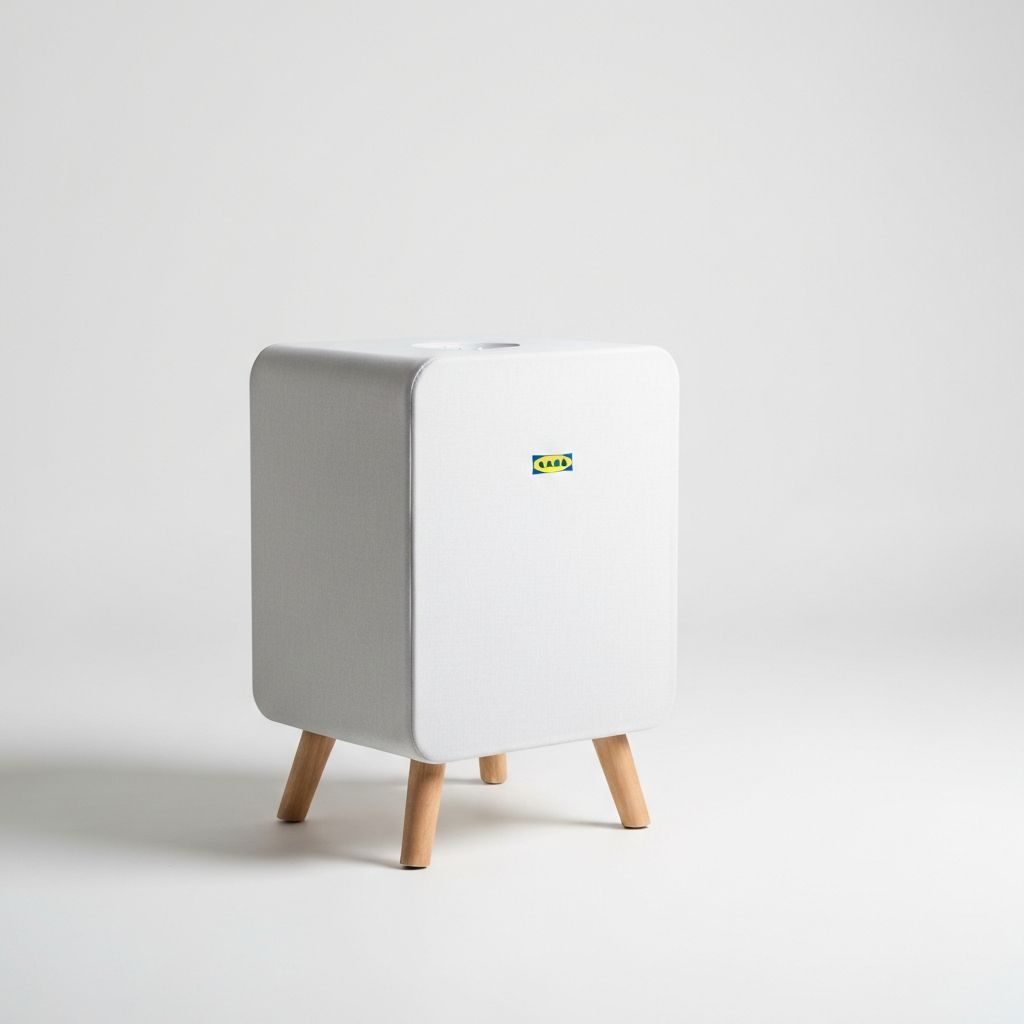
| 8 | IKEA Starkvind Gen 2 | design-focused homes and light air cleaning |
Best overall performance and features
$449
Best price-to-performance ratio
$199
Ultra-quiet for nurseries
$349
High airflow for open spaces
$299
Showing 8 products

Philips

Xiaomi

Coway

Blueair

Levoit

Philips

Winix

IKEA
Best overall air purifier 2026
Philips Series 3000i (AC3039/10)
Best value
Xiaomi Air Purifier 4 Pro
Best for baby rooms
Philips Series 2000i (AC2939/10)
Best for large rooms
Blueair Blue Pure 211i Max
No single air purifier is perfect for everyone — the right choice depends on room size, noise sensitivity, and budget.
CADR (Clean Air Delivery Rate) measures how quickly a purifier can clean air in a specific size room. Higher CADR means faster air cleaning. Look for a CADR that matches at least 2/3 of your room's square footage.
True HEPA filters capture 99.97% of particles 0.3 microns or larger. Activated carbon filters remove odors and VOCs. Some units combine both for comprehensive air cleaning.
Always check the manufacturer's recommended room size. For best results, choose a purifier rated for a space slightly larger than your room to ensure adequate air changes per hour.
Factor in replacement filter costs when budgeting. Most HEPA filters need replacing every 6-12 months, costing $30-$100 depending on the model. Some units have washable pre-filters to extend HEPA life.
For best results, run your air purifier continuously, especially in bedrooms. Modern units are energy-efficient and designed for 24/7 operation. Use auto mode to let the purifier adjust fan speed based on air quality.
Yes, HEPA air purifiers are highly effective at removing common allergens like dust mites, pollen, pet dander, and mold spores. Many users report significant relief from allergy symptoms within days of use.
True HEPA filters can capture virus-carrying particles, and some units include UV-C light for additional germicidal action. However, air purifiers should complement, not replace, other health measures.
Most air purifiers use 30-100 watts on medium settings, costing roughly $3-$10 per month to run continuously. Energy Star certified models are the most efficient.
PureChoice Reviews is reader-supported. When you buy through links on our site, we may earn an affiliate commission at no additional cost to you. This helps us maintain our testing lab and continue providing free, unbiased reviews. Our recommendations are never influenced by affiliate partnerships.