Home/Floor Cleaning/Vacuum Noise Levels

Vacuum Noise Levels Explained (How Loud Is Too Loud?)

Vacuum cleaners are loud. But how loud — exactly? Manufacturers list noise levels like 65 dB, 72 dB, 80 dB. What do those numbers actually mean?

Updated February 2026
8 min read

This Guide Explains:

  • What decibels (dB) measure
  • How loud typical vacuums are
  • Cordless vs upright noise differences
  • Robot vacuum noise levels
  • What dB is safe for babies & pets
  • How to choose a quieter vacuum

What Are Decibels (dB)?

Decibels measure sound intensity. But here's what most people miss:

The decibel scale is logarithmic, not linear.

70 dB is not just slightly louder than 60 dB — it is roughly twice as loud to human ears.

The Rule:

A 10 dB increase = perceived doubling of loudness.

This is why small number differences matter significantly when comparing vacuum noise levels.
How Loud Is a Vacuum Cleaner?

Typical noise ranges in 2026:

Vacuum TypeTypical dB RangeNotes
Robot vacuum55–70 dBQuietest option overall
Cordless stick65–80 dBLouder on boost mode
Canister vacuum60–75 dBOften well-insulated
Upright vacuum70–85 dBTypically loudest

Real-World Sound Comparisons

SoundApprox dB
Whisper30 dB
Normal conversation60 dB
Dishwasher60–65 dB
Vacuum cleaner65–80 dB
Hair dryer80–90 dB

Most vacuums are louder than conversation, but quieter than hair dryers.

What Is Considered a Quiet Vacuum?

Noise LevelRating
Under 65 dBVery quiet
65–70 dBQuiet
70–75 dBModerate
75–80 dBLoud
80+ dBVery loud

For context: A vacuum at 75 dB feels significantly louder than one at 65 dB — roughly twice as loud to human perception.

Why Some Vacuums Are Louder Than Others

Noise comes from three sources:

  • Motor speed
  • Airflow turbulence
  • Brush roll contact

High suction often increases noise. But engineering quality matters more than raw power.

Better-engineered vacuums optimize airflow paths, reduce turbulence, and insulate motor housing — achieving strong suction with moderate noise.

Cordless Vacuum Noise Levels

Cordless vacuums are often slightly quieter than uprights — but louder on Boost mode.

Normal Mode

65–72 dB

Boost Mode

75–80 dB

Important: Boost mode significantly increases motor RPM and noise. Use it sparingly for deep carpet cleaning.

Related: Vacuum Suction Power Explained →

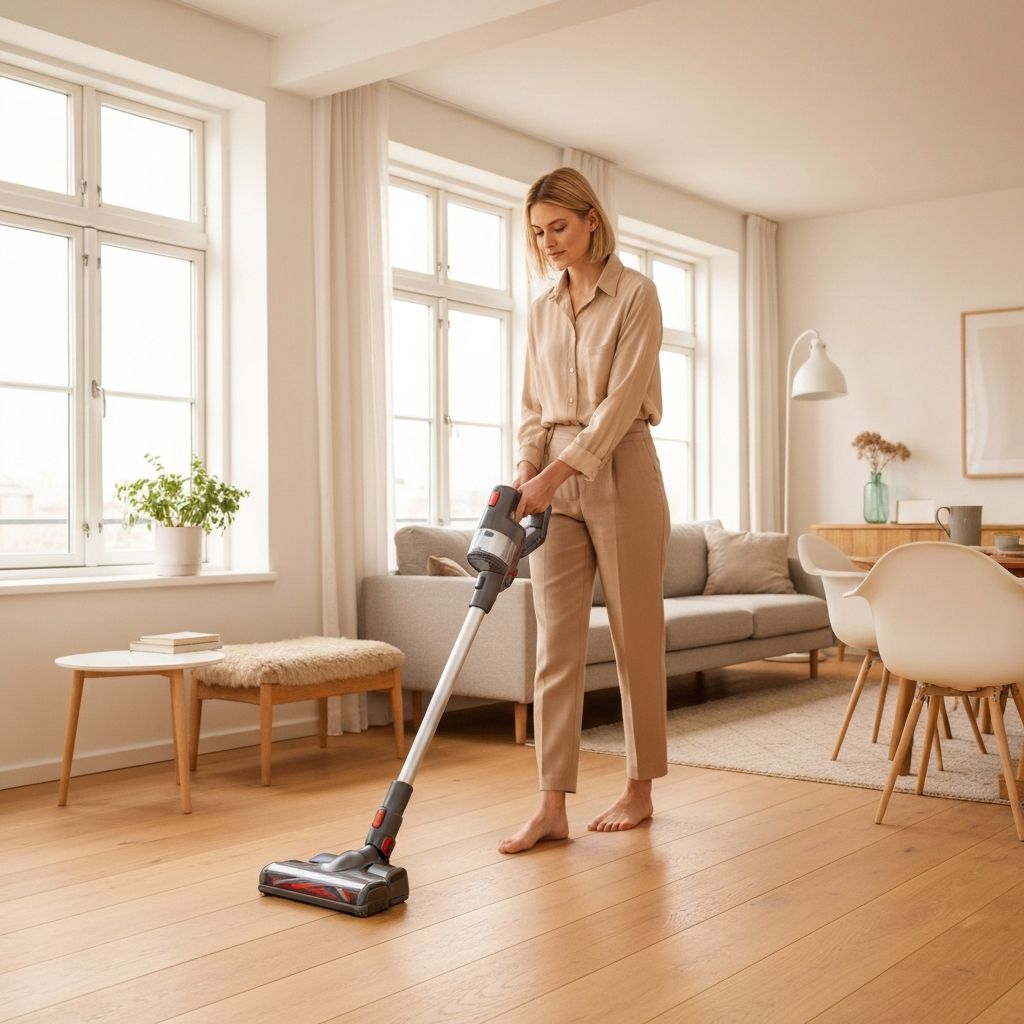
Cordless stick vacuum being used in a modern living room with natural light

Cordless vacuums operate at 65–72 dB on normal mode — quieter than uprights but louder on boost.

Upright Vacuum Noise

Uprights often reach 75–85 dB due to:

  • Larger motors
  • Stronger airflow
  • Carpet brush agitation

They're typically the loudest vacuum category.

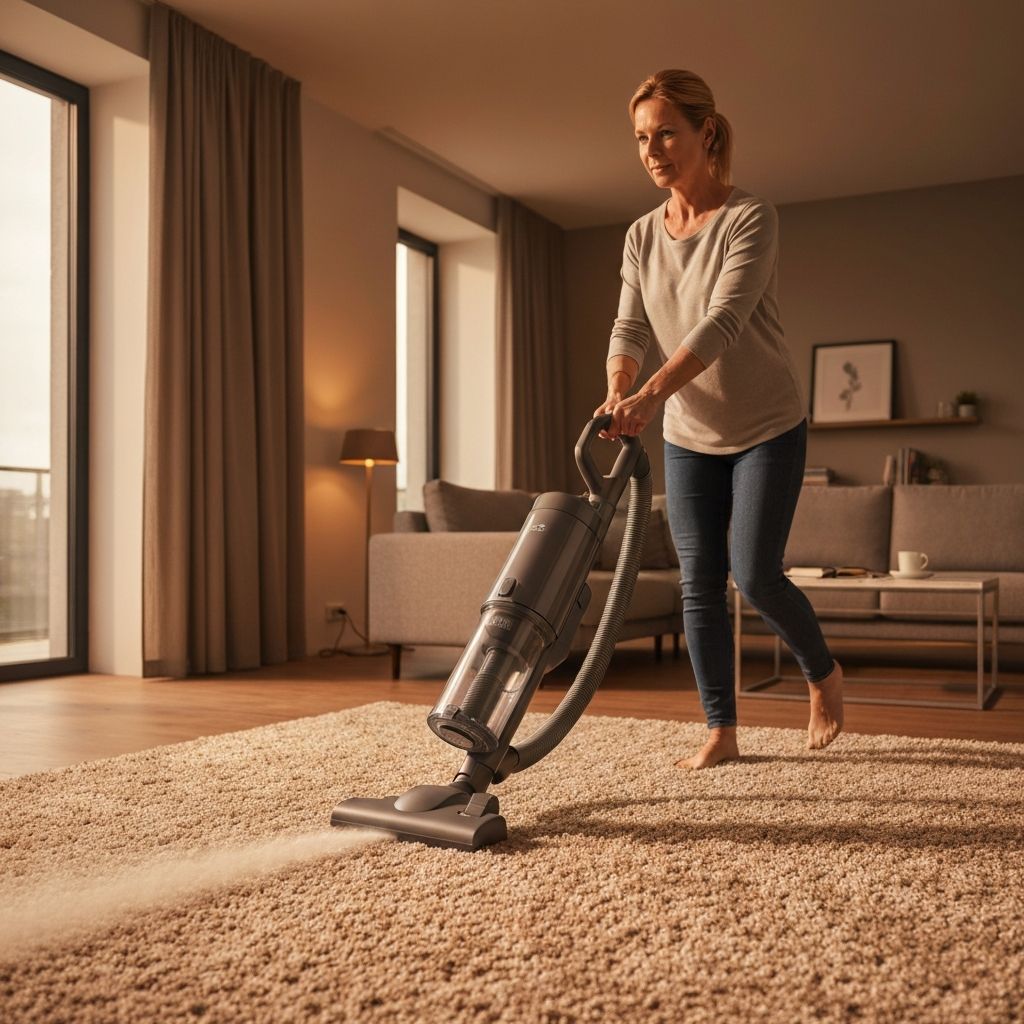
Upright vacuum cleaner deep cleaning thick carpet

Canister Vacuum Noise

High-end canister vacuums are often quieter: 60–72 dB.

  • Better insulated motors
  • Lower pitch sound
  • Separated motor unit

Often the quietest option for deep cleaning.

Robot Vacuum Noise Levels

Robot vacuums are usually quieter than traditional vacuums.

Quiet Mode

55–60 dB

Boost Mode (Carpet)

65–70 dB

Because robots operate longer, they're engineered to be less disruptive.

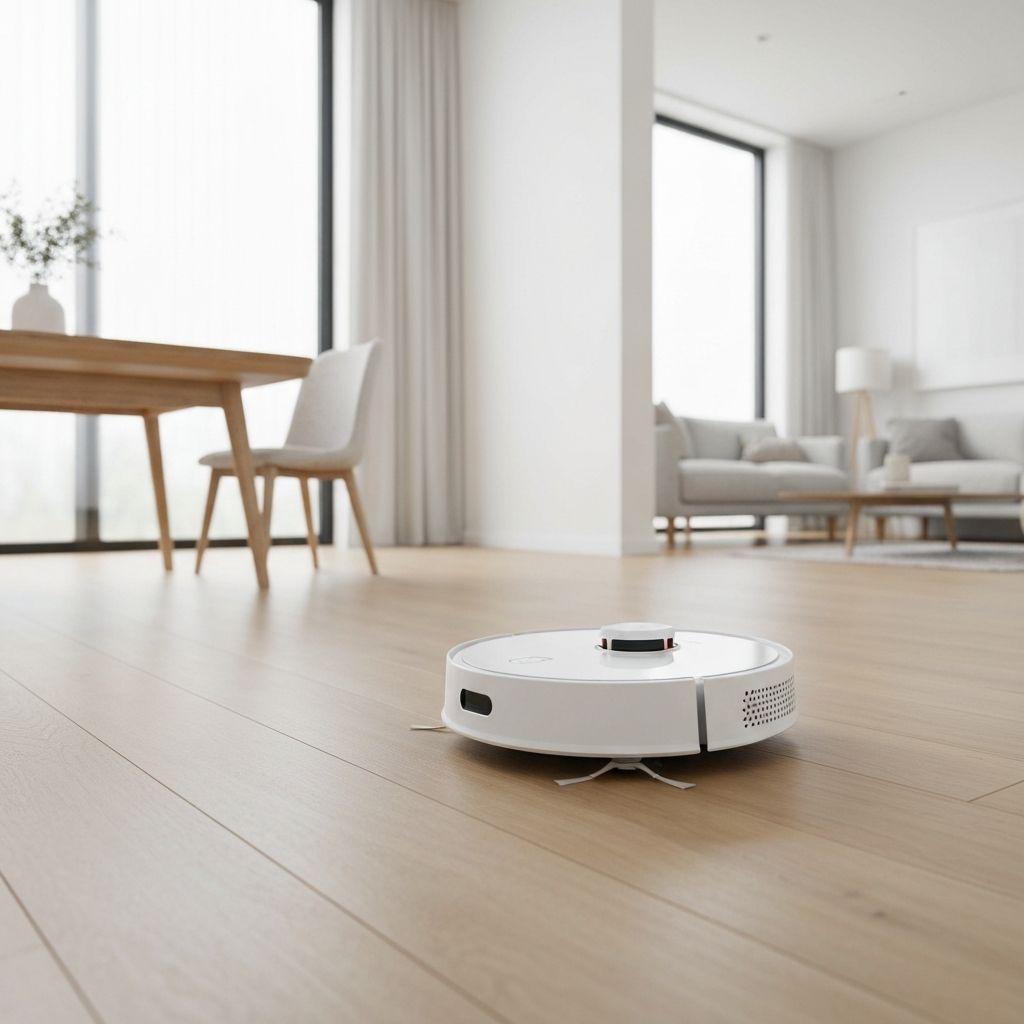
White robot vacuum cleaning hardwood floor in modern home

Robot vacuums are the quietest category at 55–70 dB, ideal for running while you're home.

Self-Empty Dock Noise

Important detail: Self-empty bases are loud during emptying.

80–85 dB

But only for 5–15 seconds. Most users schedule this while away.

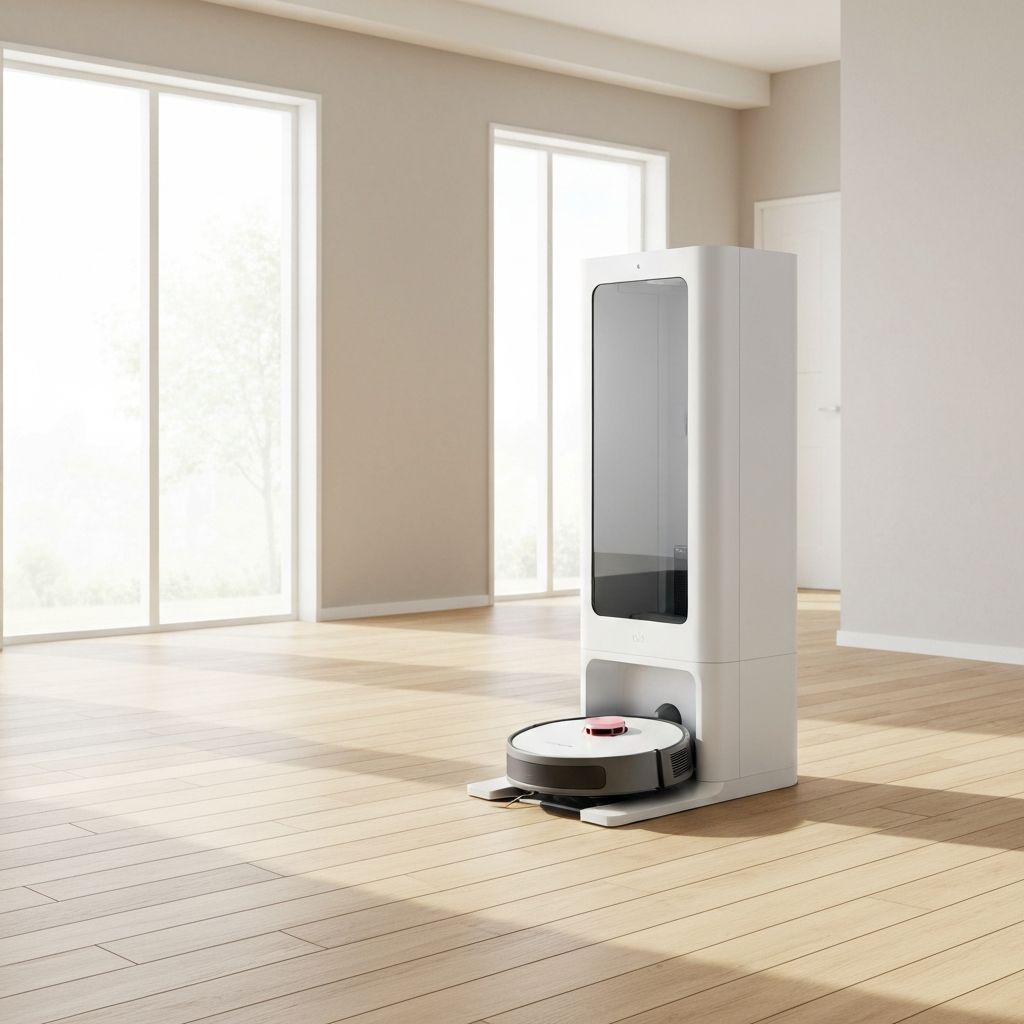
Robot vacuum docked at self-empty station showing the tall dock tower

Self-empty docks are loud (80–85 dB) but only for 5–15 seconds during the emptying cycle.

Related: Robot Vacuum Self-Empty — Is It Worth It? →

Is Vacuum Noise Harmful?

Short-term exposure: Generally safe.

Long-term daily exposure: Above 85 dB can impact hearing over time.

Most household vacuuming sessions are too short to cause hearing damage.

However, these groups may react strongly to high dB levels:

  • Infants
  • Pets
  • Noise-sensitive individuals

Vacuum Noise & Babies

Babies are sensitive to sudden loud sounds.

Safe Range

Under 70 dB preferred

Robot vacuums are a better choice if cleaning during nap time.

Related: Air Purifier for Baby Room →

Vacuum Noise & Pets

Dogs and cats hear higher frequencies than humans.

Loud vacuums may:

  • Trigger anxiety
  • Cause stress

Quieter models reduce pet stress significantly. Robot vacuums often cause less fear than uprights.

Does More Suction Always Mean More Noise?

Usually yes — but not always.

Better-engineered vacuums:

  • Optimize airflow path
  • Reduce turbulence
  • Insulate motor housing

Premium Models

High suction + moderate noise

Cheap Models

Lower suction + higher noise

Night Cleaning Considerations

If you vacuum at night:

  • Aim for under 70 dB
  • Avoid boost mode
  • Consider robot vacuum
  • Schedule self-empty dock during daytime

Flooring & Noise Perception

Hardwood Floors

Reflect sound, amplify high frequencies

Carpet

Absorbs sound, makes vacuum feel quieter

Note: The same vacuum may sound louder on hardwood than carpet.

How to Choose a Quiet Vacuum

Look For

  • dB rating under 70
  • Insulated motor housing
  • Soft brush roll
  • Adjustable suction modes

Avoid

  • Constant boost mode usage
  • Cheap high-RPM motors

Quick Noise Comparison by Use Case

SituationRecommended Max dBRecommendation
Baby sleeping<65 dBRobot vacuum on quiet mode
Pet-sensitive home<70 dBCanister or quiet cordless
Apartment living<72 dBAvoid boost mode
General daytime cleaning75 dB acceptableAny vacuum type

Final Verdict

Vacuum noise matters more than most buyers realize.

For Most Homes

  • 65–72 dB is comfortable
  • Under 70 dB ideal for apartments
  • Robot vacuums are quietest option
  • Self-empty docks are loud briefly

When Choosing:

Don't just look at suction numbers. Look at dB ratings too.

Frequently Asked Questions

How loud is a typical vacuum cleaner?
Most vacuums range between 65–80 decibels. Robot vacuums are typically quietest (55–70 dB), while uprights are often loudest (70–85 dB).
What is a quiet vacuum in dB?
A vacuum under 70 dB is considered quiet. Under 65 dB is very quiet. Premium canister and robot vacuums often achieve these levels.
Are robot vacuums quieter than uprights?
Yes. Robot vacuums typically operate between 55–70 dB, while uprights often reach 70–85 dB. Robots are engineered to run longer and be less disruptive.
Is 75 dB loud for a vacuum?
Yes, 75 dB is moderately loud but common for upright vacuums and cordless vacuums on boost mode. It's noticeably louder than normal conversation.
Does higher suction mean louder vacuum?
Often yes, but engineering quality matters more. Well-designed vacuums achieve strong suction with moderate noise through optimized airflow and motor insulation.
How loud is a self-empty dock?
Self-empty bases are loud during emptying — typically 80–85 dB — but only for 5–15 seconds. Most users schedule emptying while they're away.

Related Guides

PureChoice is reader-supported. When you buy through links on our site, we may earn an affiliate commission at no extra cost to you. Learn more