Infant Optics
Baby monitors in 2026 are split between privacy-first non-Wi-Fi systems and Wi-Fi smart monitors with apps. This ranking is based on reliability, video quality, privacy model, usability, and consistent parent feedback, not sponsorships.
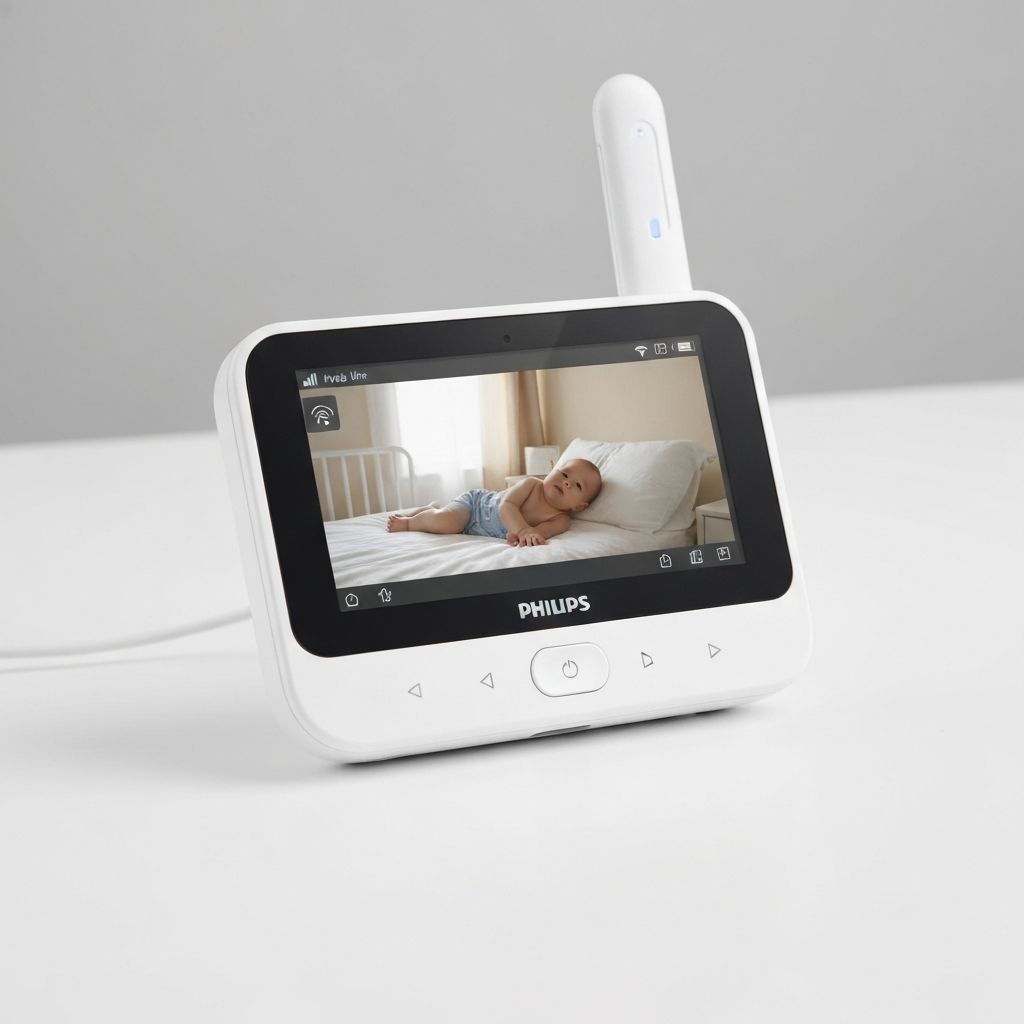
SCD973/37 replaces the discontinued SCD923
| Rank | Model | Best For |
|---|---|---|
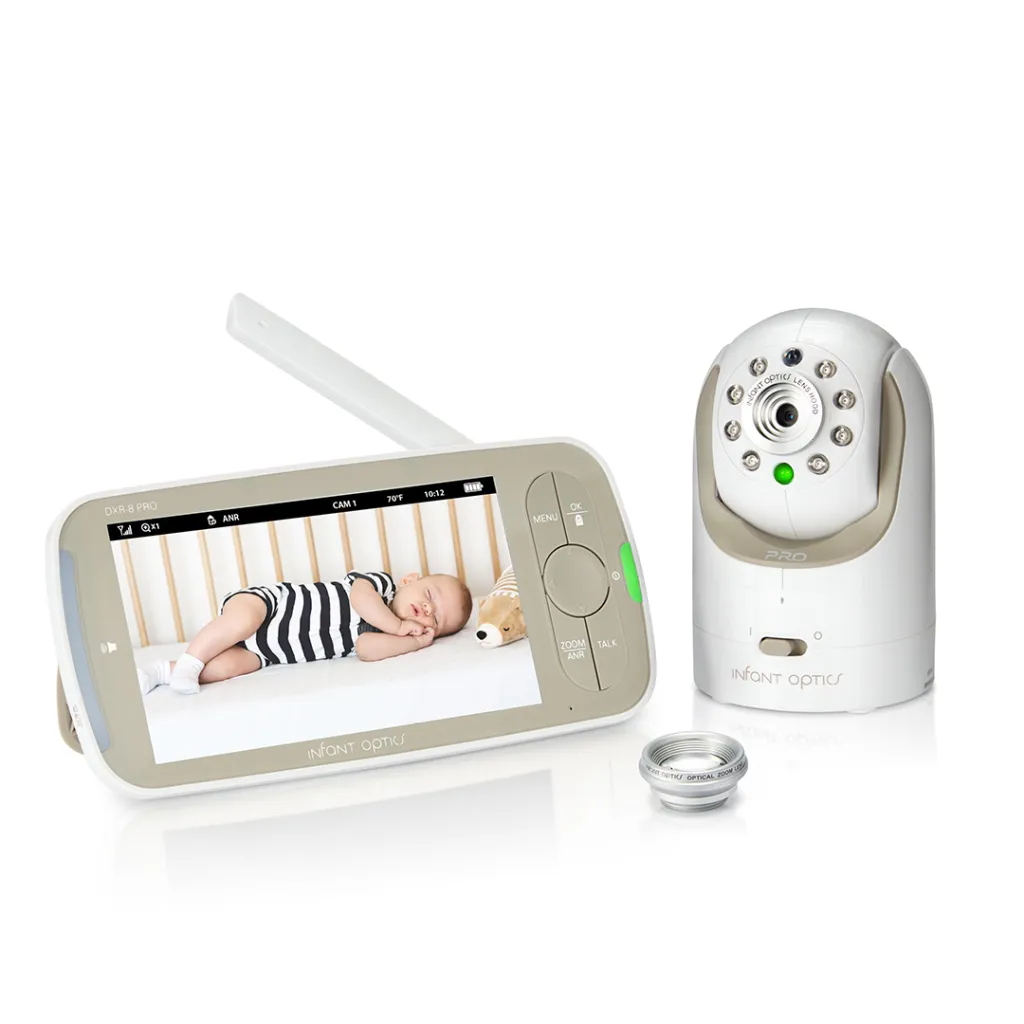
| 1 | Infant Optics DXR-8 Pro | parents who want maximum privacy and reliability |
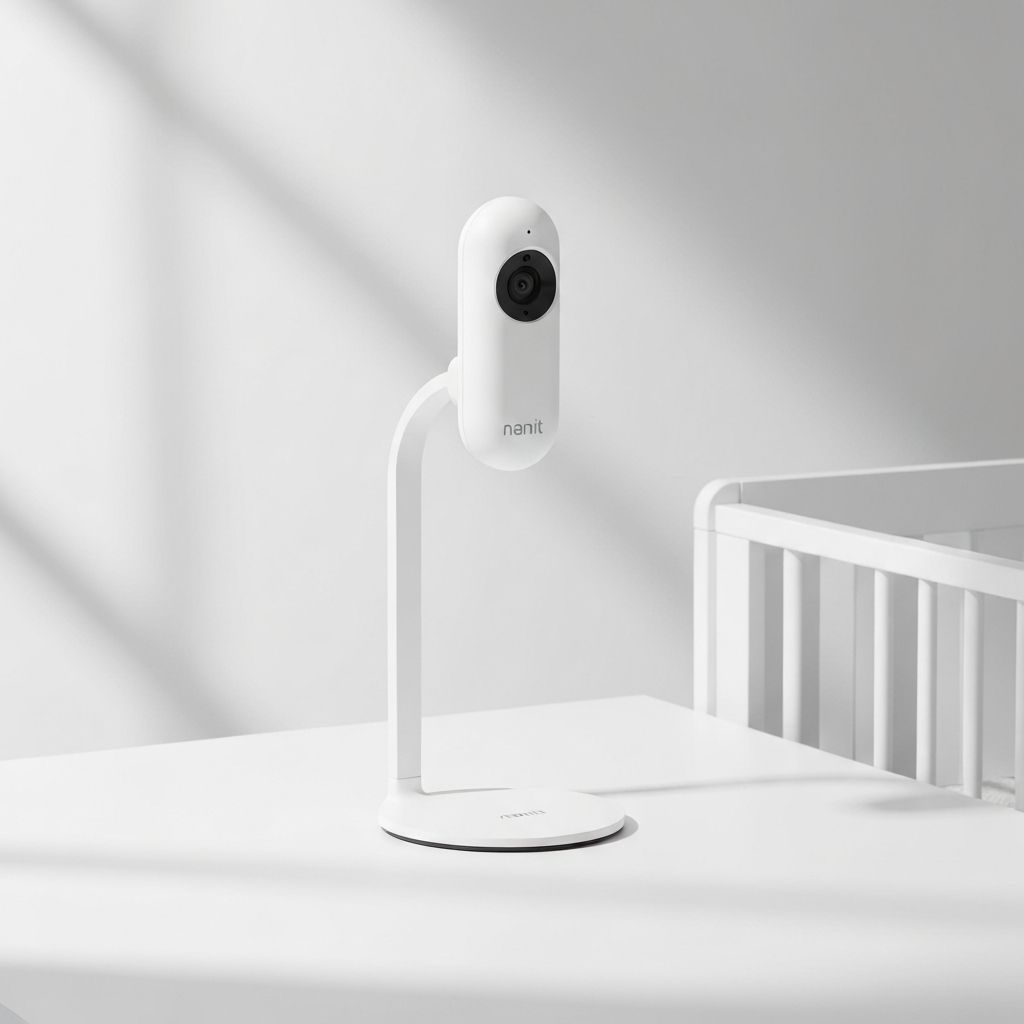
| 2 | Nanit Pro Camera | parents who want sleep tracking & insights |
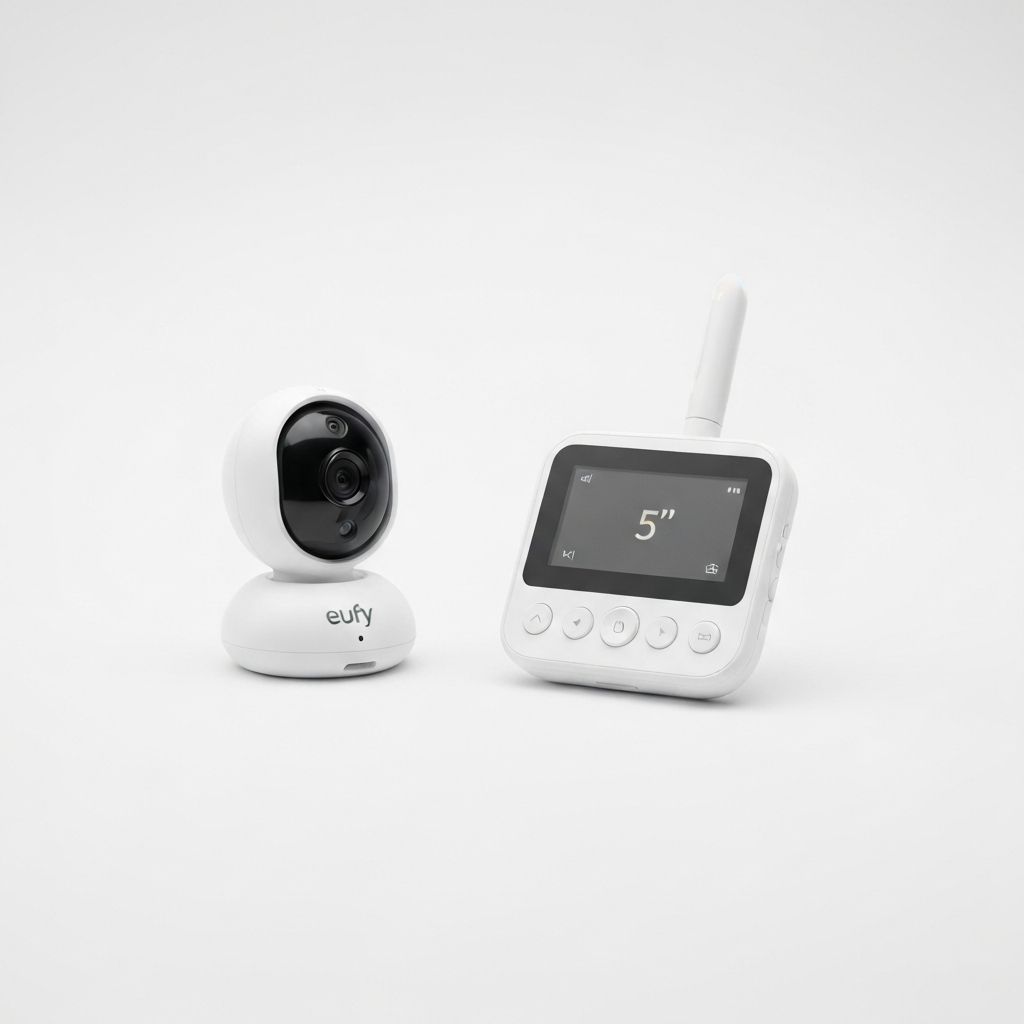
| 3 | eufy SpaceView Pro | overnight monitoring without frequent charging |
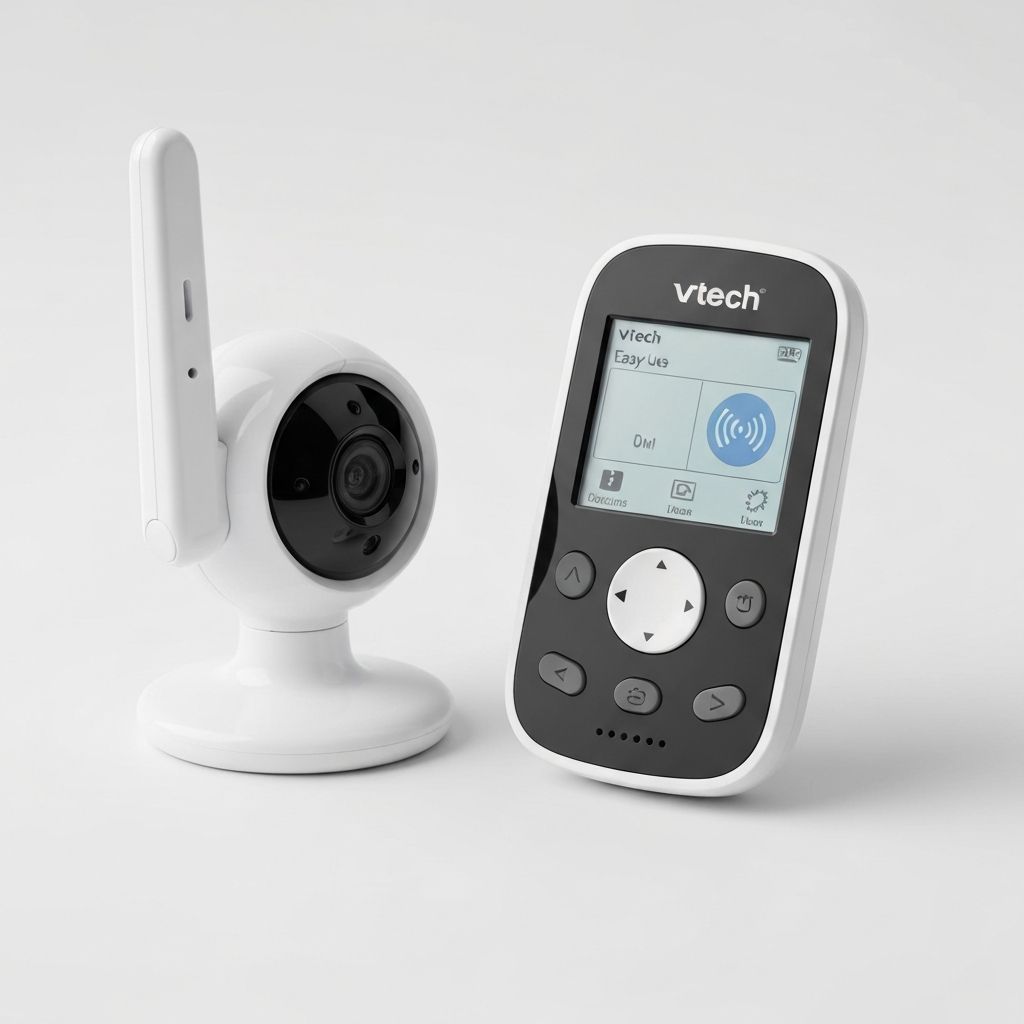
| 4 | VTech VM901 | strong basics at a lower price |
| 5 | Philips Avent SCD973/37 | parents who want a screen and phone access |
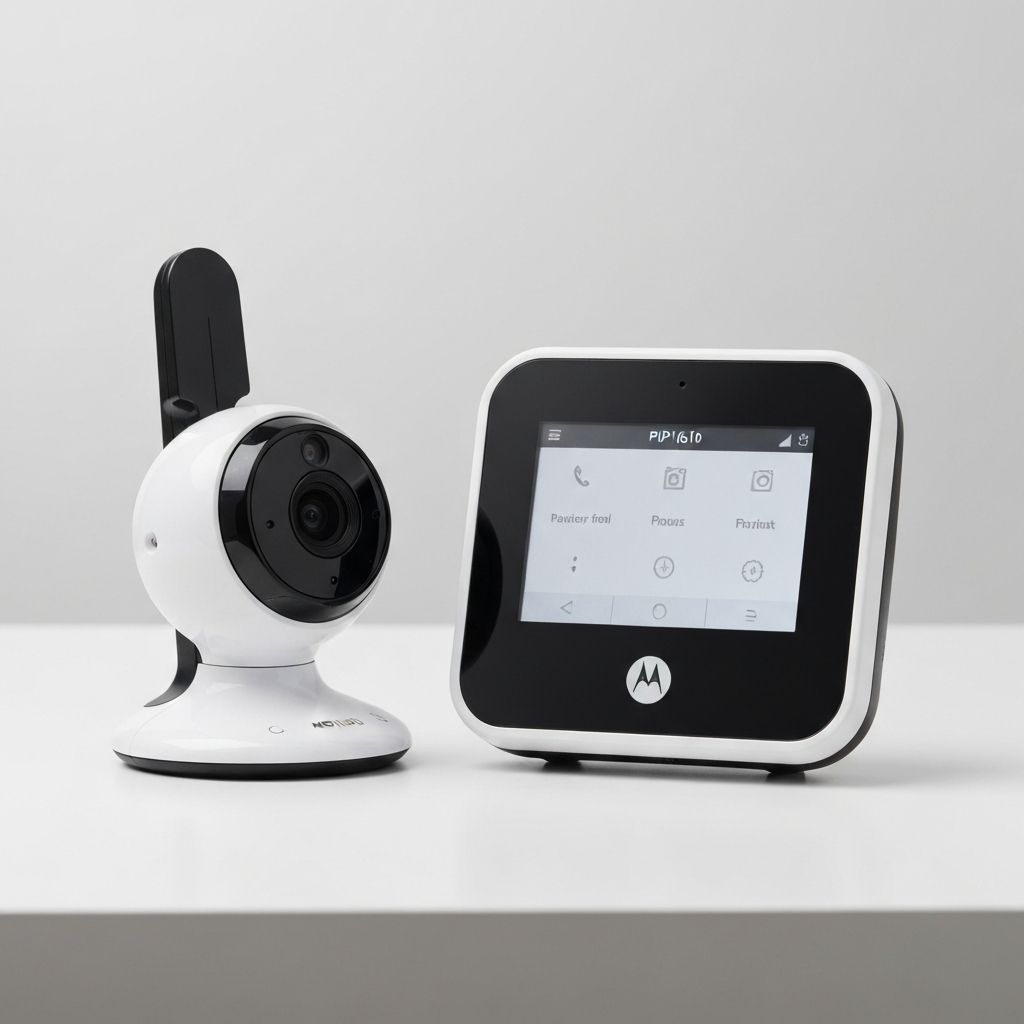
| 6 | Motorola PIP1610 | parents who prefer a big display |
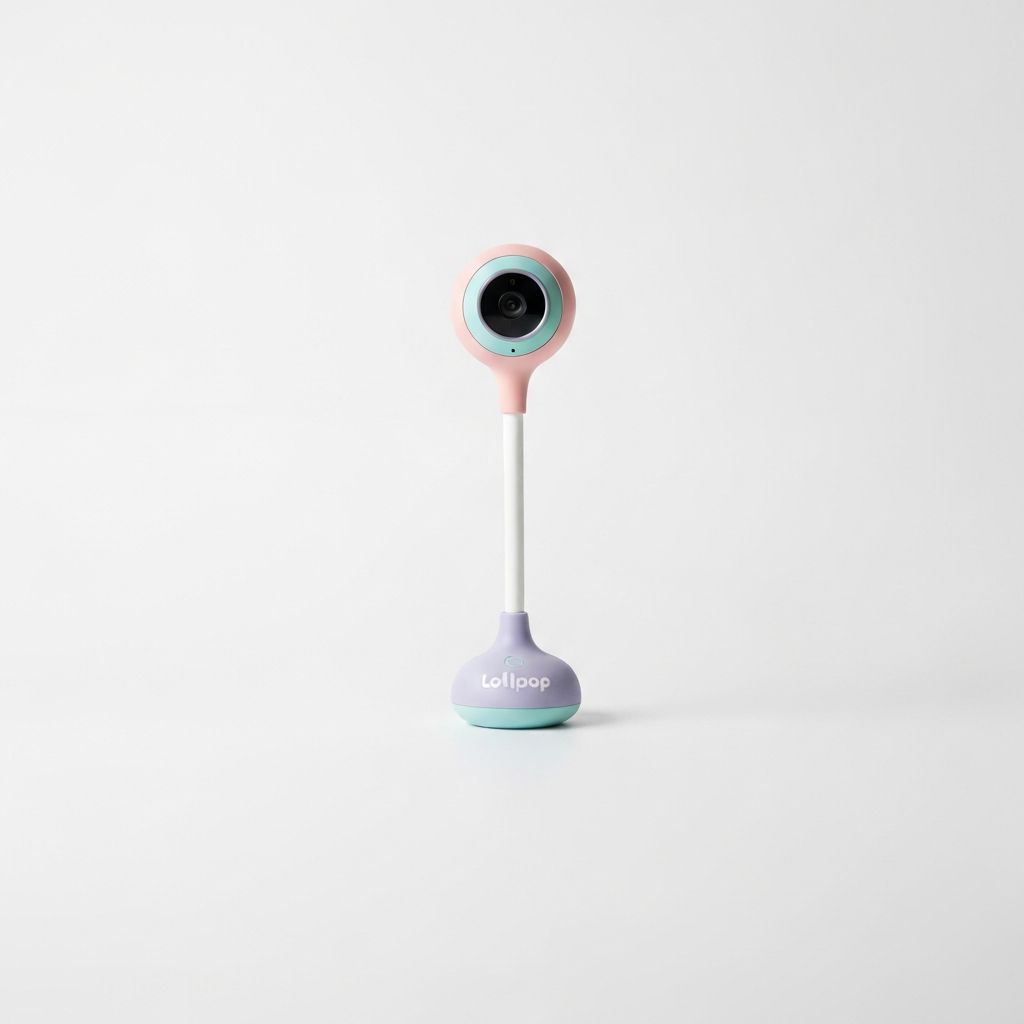
| 7 | Lollipop Smart Baby Monitor | modern homes, app-only users |
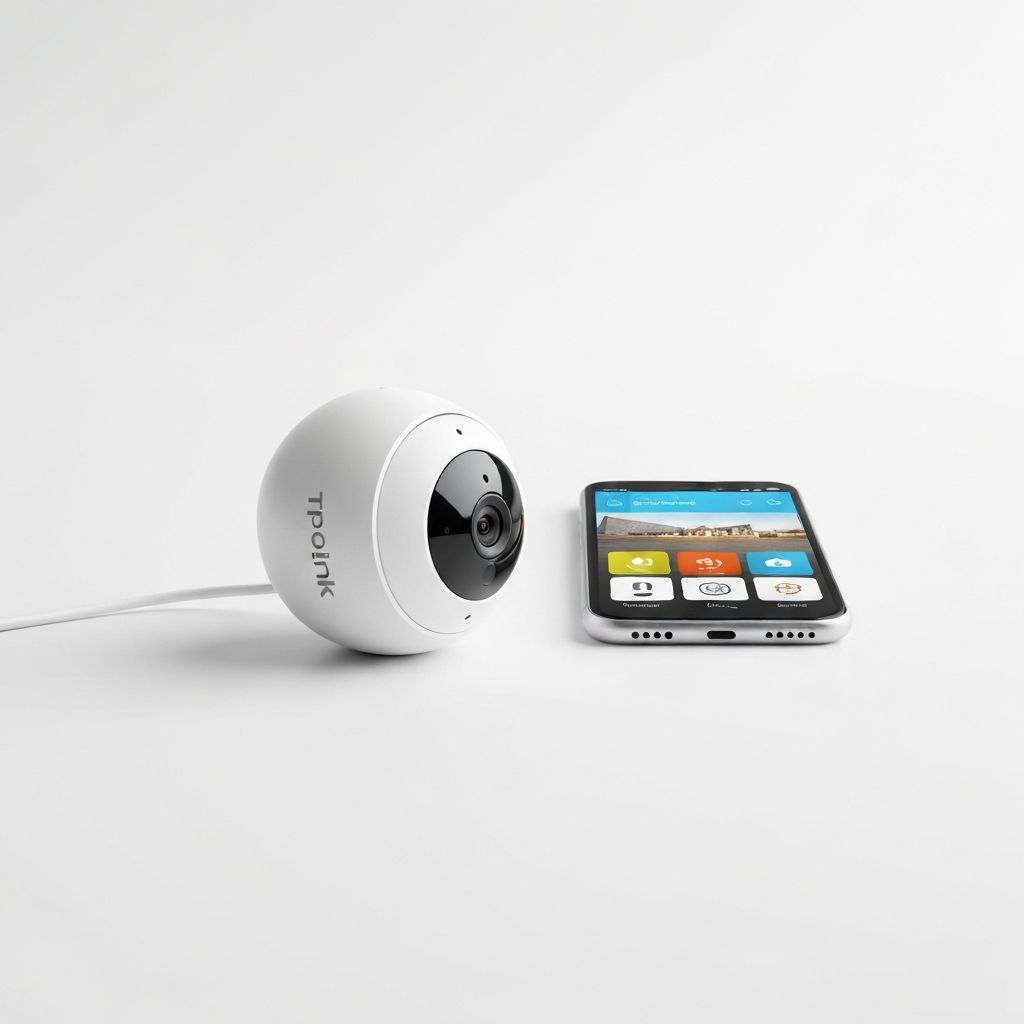
| 8 | TP-Link Tapo C225 | lowest-cost smart monitoring |
Showing 8 products

Infant Optics

Nanit

eufy

VTech

Philips

Motorola

Lollipop

TP-Link
Best overall & most secure
Infant Optics DXR-8 Pro
Best smart monitor
Nanit Pro
Best hybrid replacement for SCD923
Philips Avent SCD973/37
The right baby monitor depends on how much you value privacy, smart features, and screen vs app access.
Wi-Fi monitors let you check on your baby from anywhere via a smartphone app, but they depend on your home network and can be vulnerable to security risks. Dedicated frequency monitors (FHSS/DECT) offer interference-free, hack-proof signals with zero latency, but only work within their specified range.
Look for at least 720p resolution for a clear picture on the parent unit. 1080p is ideal for smartphone viewing. Infrared night vision is essential since most monitoring happens in dark rooms. Some premium models offer color night vision for a more natural image.
Advanced monitors now track breathing patterns, heart rate, oxygen levels, and sleep quality. While these features provide peace of mind, they are not medical devices and should not replace professional health monitoring. Consider whether the added data will reassure you or cause unnecessary anxiety.
Many smart baby monitors require a monthly subscription to unlock their full feature set, including video history, sleep analytics, and growth tracking. Factor in these ongoing costs when comparing prices. Some models like the VTech VM901 work completely subscription-free.
Most reputable brands now use end-to-end encryption and two-factor authentication. To stay safe, always change default passwords, keep firmware updated, and use a strong home Wi-Fi password. If security is your top concern, consider a dedicated-frequency monitor that cannot be accessed over the internet.
Audio monitors work well for newborns, but video becomes invaluable once your baby starts rolling, sitting, and standing. Being able to see your baby without entering the room helps you decide whether they need attention or are just stirring between sleep cycles.
Breathing and oxygen monitoring provides extra peace of mind, especially for first-time parents or babies with health concerns. However, these consumer devices are not FDA-cleared medical equipment. They are best used as a supplement to safe sleep practices, not a replacement.
For a typical home, 300-500 feet of range is sufficient. If you have a larger property or want to monitor from an outbuilding or yard, look for 1,000+ feet range or a Wi-Fi model you can access from your phone anywhere with internet.
PureChoice Reviews is reader-supported. When you buy through links on our site, we may earn an affiliate commission at no additional cost to you. This helps us maintain our testing lab and continue providing free, unbiased reviews. Our recommendations are never influenced by affiliate partnerships.