Miele
If you suffer from allergies, your vacuum can either reduce allergen exposure or recirculate microscopic particles back into your home. Dust mites, pet dander, pollen, mold spores, and fine debris accumulate daily in carpet fibers, upholstery, mattresses, and floor crevices. The right vacuum removes these particles without releasing them back into the air. The wrong vacuum can actually worsen symptoms.
There are four non-negotiables for effective allergy control:
True HEPA filters must capture 99.95% of particles at 0.3 microns. But just having a HEPA filter is not enough. The vacuum must be fully sealed so that all exhaust air passes through the filter. Air leaks around filter housing make HEPA meaningless.
Key insight: Many vacuums advertise HEPA but have unsealed systems that allow fine particles to escape around the filter.
Allergens hide deep inside carpet fibers, upholstery, and mattress surfaces. Without proper suction and brush agitation, allergens remain embedded.
Related: Vacuum Suction Power Explained | Best Vacuum for Carpet
Emptying a dustbin can release fine dust clouds, pet dander, and pollen. Bagged systems generally reduce allergen exposure during disposal.
Related: Bagged vs Bagless for Allergies
High-quality allergy vacuums include: pre-motor filter, HEPA exhaust filter, and multi-layer dust bag (in bagged models). This layered approach improves containment significantly.
Short answer: Bagged is generally better for allergies.
For moderate to severe allergies: Bagged systems are strongly recommended.
For maximum allergen removal: Corded sealed HEPA often wins. For maintenance cleaning: Cordless can supplement.
Showing 8 products
All models below are current-generation and widely available. We ranked them based on sealed filtration quality, dust containment, suction power, and overall allergen control effectiveness.

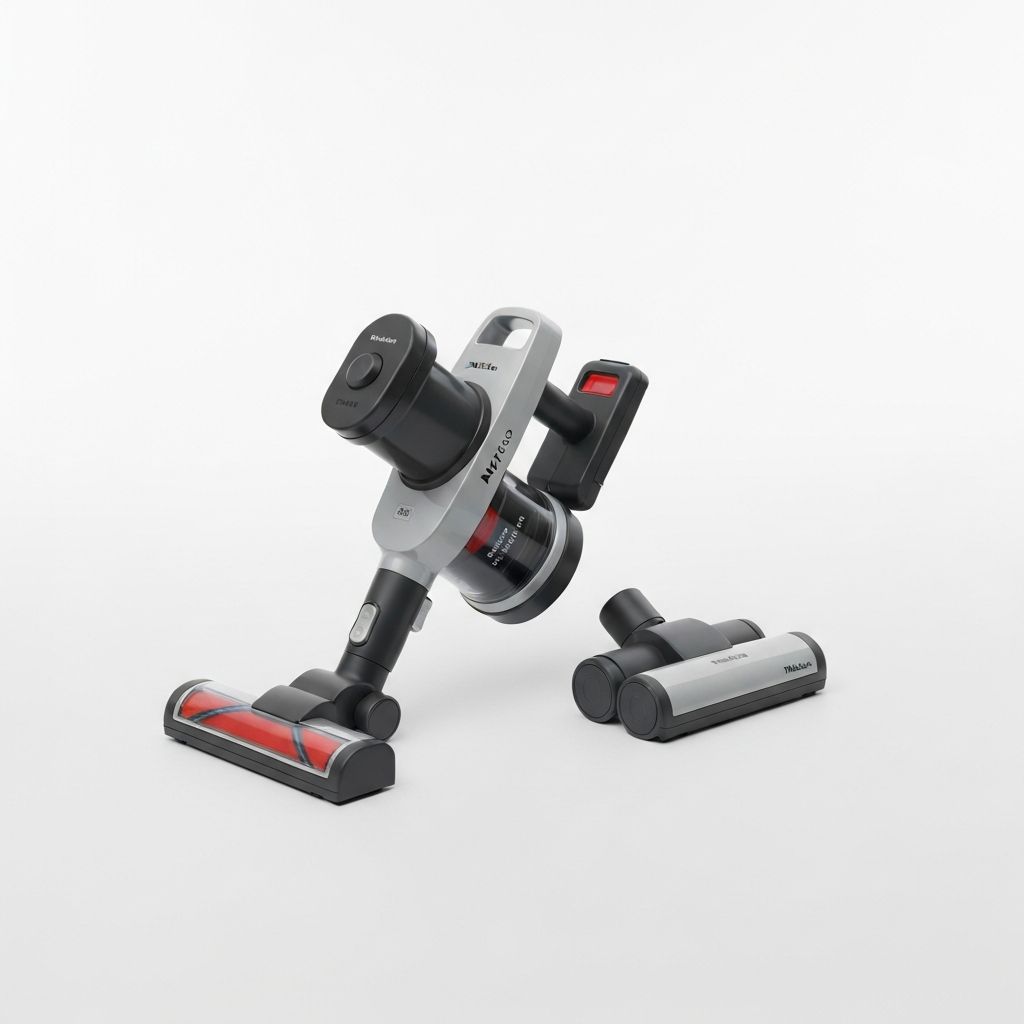
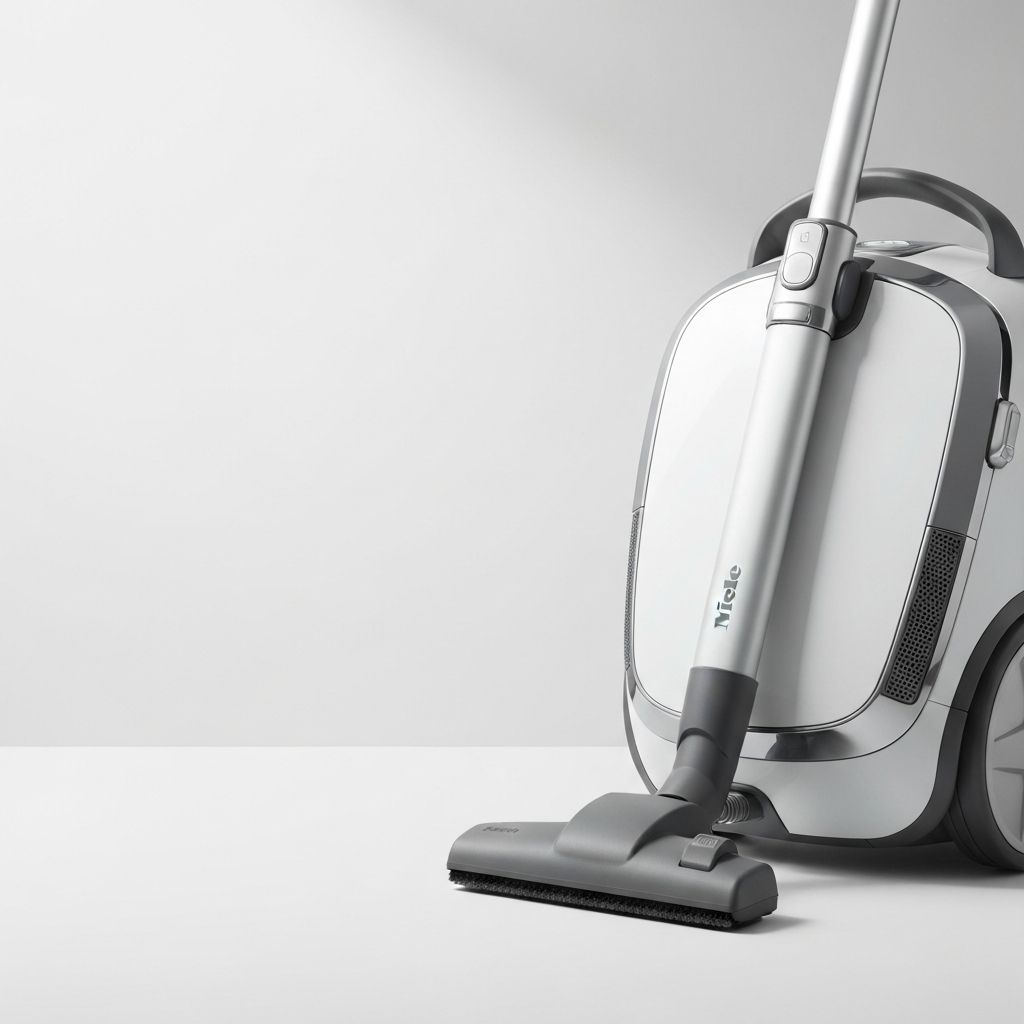
Miele

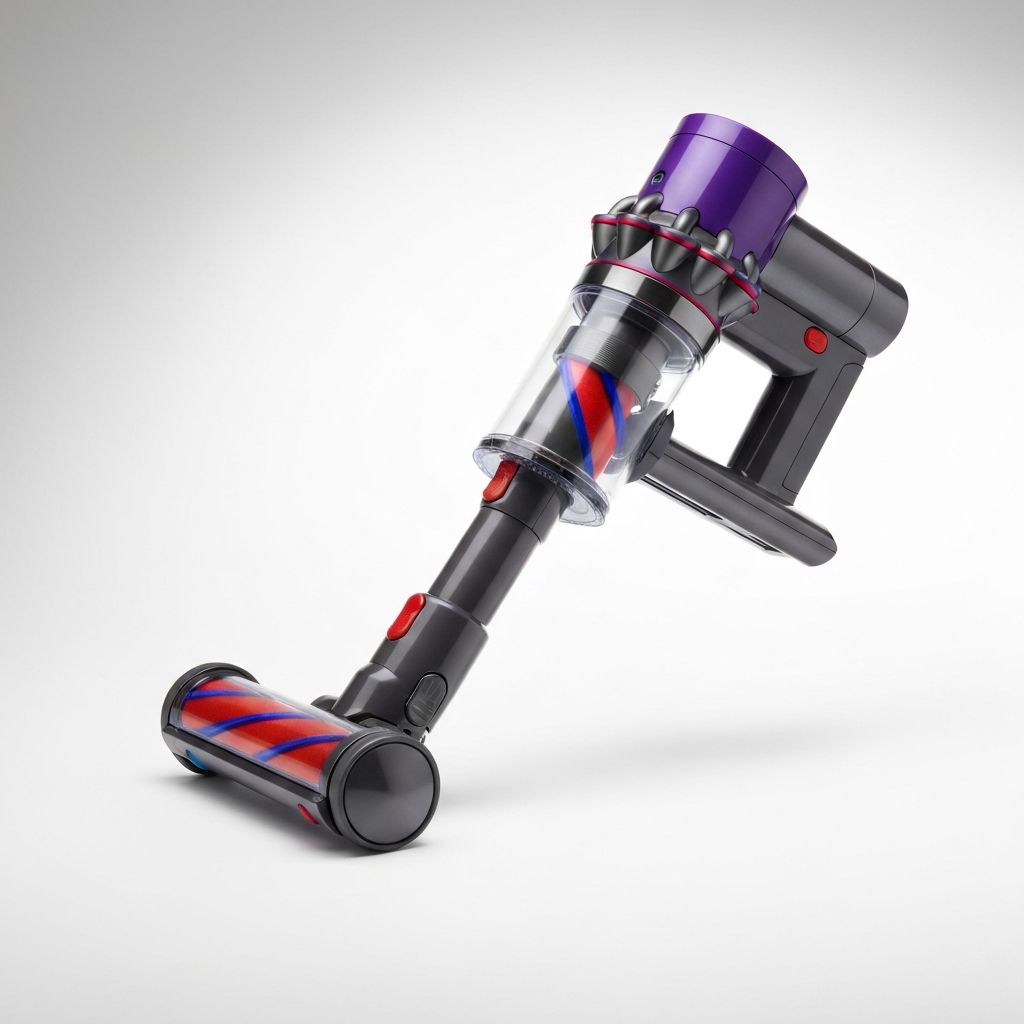
Dyson

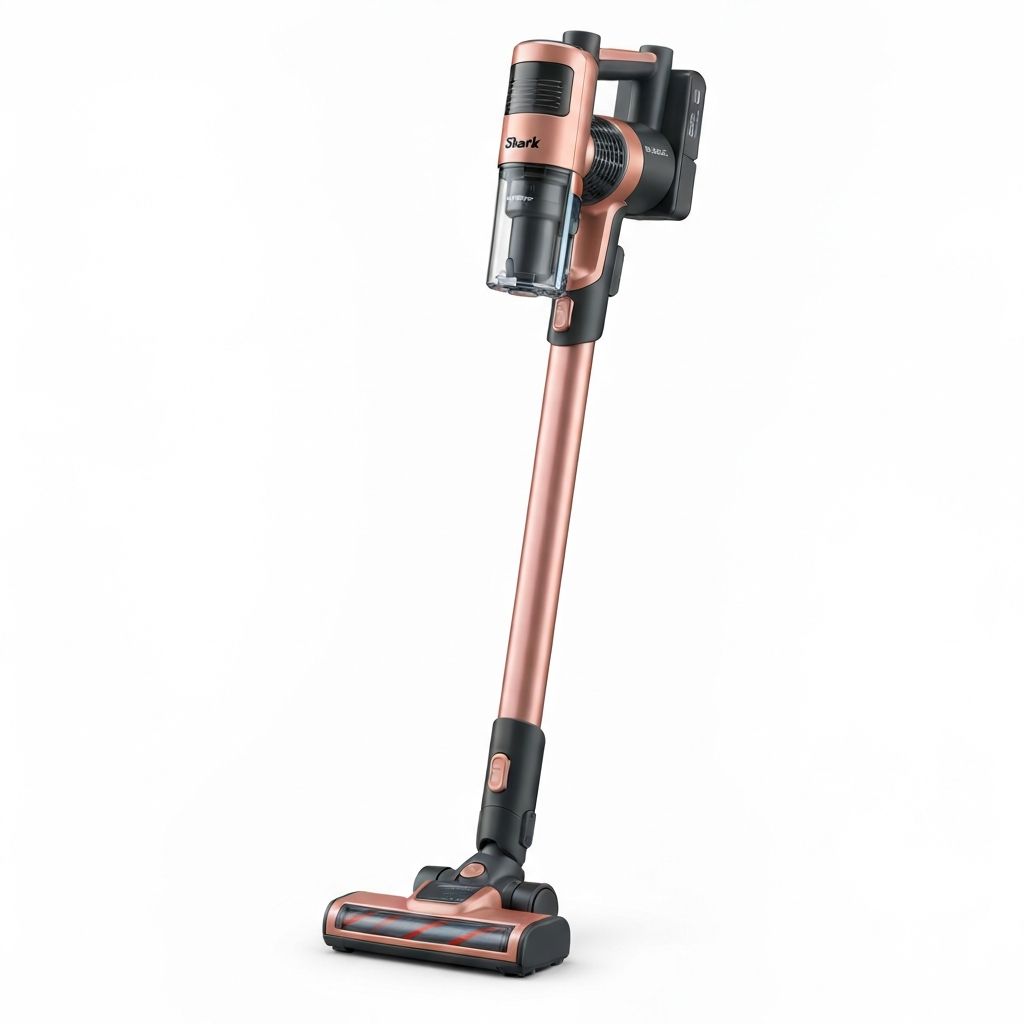
Shark

Dyson

Miele

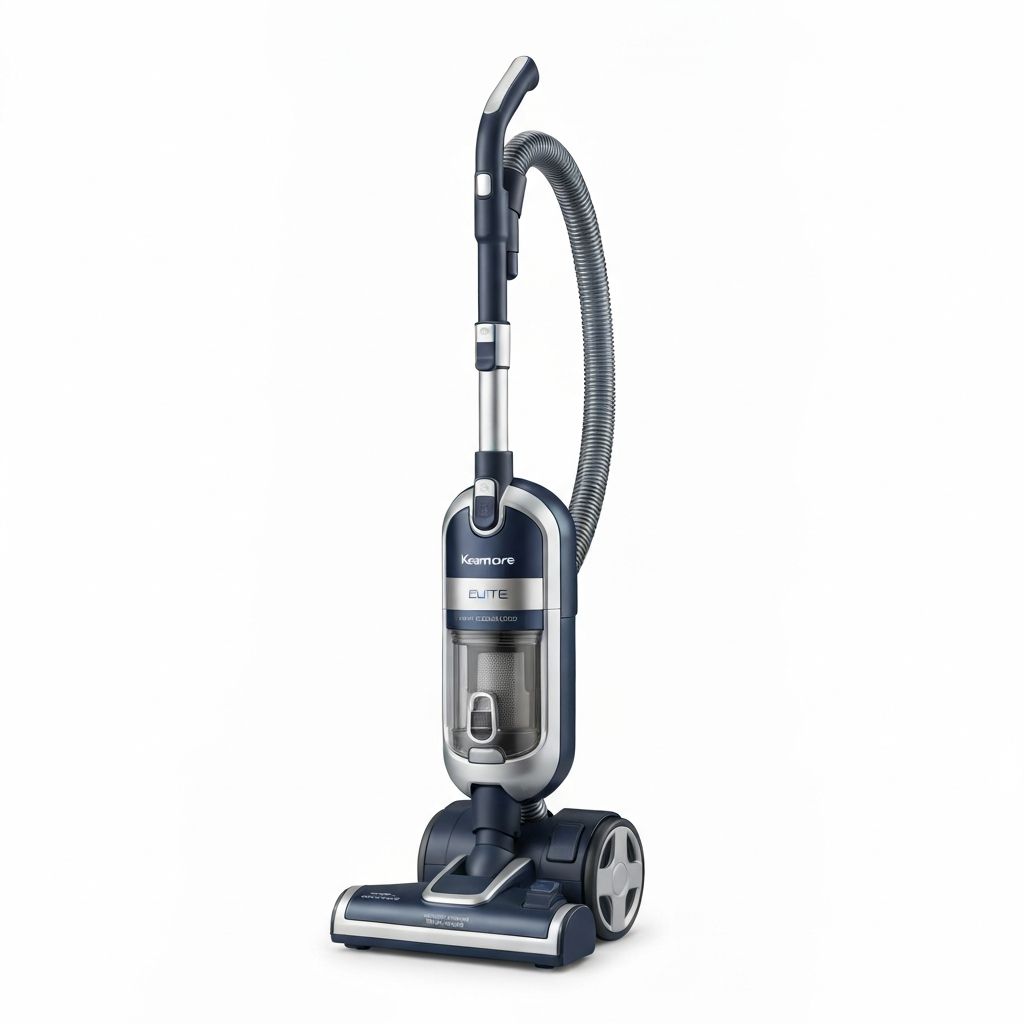
Kenmore

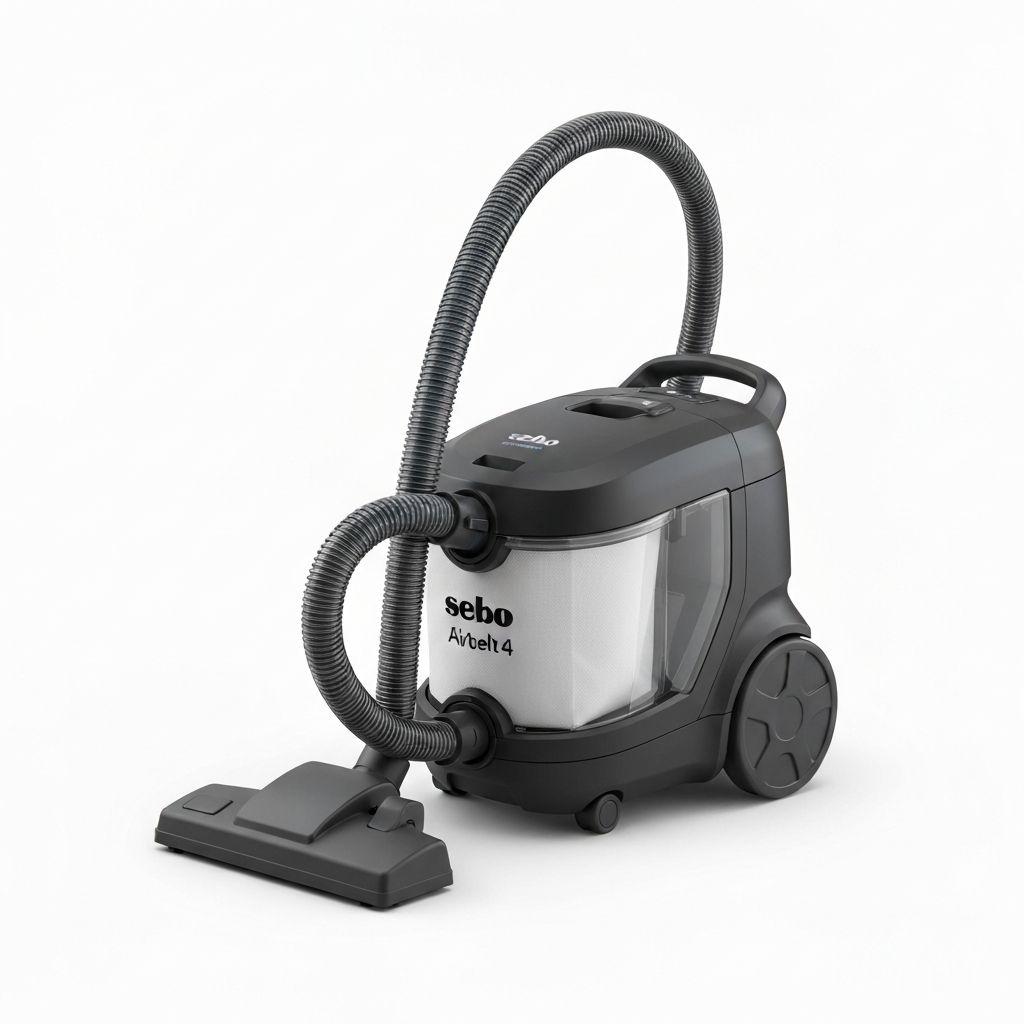
Sebo

Shark
2-3x per week
3-5x per week
At least weekly
Even the best vacuum fails if poorly maintained. Clogged filters reduce containment effectiveness.
Pet hair carries dander proteins and skin flakes. Your vacuum must lift embedded hair and seal captured allergens. Rubber brush rolls help prevent hair tangling.
Related: Best Cordless Vacuum for Pet Hair
Some allergy sufferers are also noise sensitive. Quieter vacuums (canister style) may be preferred.
Related: Vacuum Noise Levels Explained
| Need | Best Type |
|---|---|
| Severe allergies | Bagged sealed HEPA canister |
| Carpet heavy | Sealed HEPA upright |
| Convenience | Premium cordless HEPA |
| Budget allergy control | Sealed HEPA upright |
If allergy control is your top priority in 2026:
For most severe allergy households: Miele Complete C3 HEPA remains one of the strongest all-around choices.
Pair your vacuum with an air purifier for complete allergen control.
Read guideDeep dive into why bagged systems are better for allergy sufferers.
Read guideTop picks for pet owners dealing with dander and hair.
Read guideAffiliate Disclosure
Some links in this guide are affiliate links. If you purchase through these links, we may earn a small commission at no extra cost to you. This helps support our testing and editorial work. We only recommend products we genuinely believe in based on our hands-on testing and research.